



Many people judge their fitness by how much they weigh, how visible their abs are, or how much they can lift in the gym. While those things can tell you something, they rarely provide the full picture.
True fitness is much broader. It includes your heart and lungs, muscles, joints, nervous system, recovery ability, and even how efficiently your body performs everyday tasks. Someone who cannot bench press twice their body weight may still have excellent cardiovascular health, mobility, and muscular endurance. Likewise, someone with an impressive physique may struggle with basic measures of overall health.

Exercise scientists increasingly emphasize functional fitness and health related fitness rather than appearance alone. Research consistently shows that markers such as aerobic capacity, muscular strength, movement quality, and recovery predict long term health, disease risk, and lifespan far better than body composition by itself.
The good news is that many people are much fitter than they realize. If you can perform well in several simple physical tasks, your body may already possess qualities linked with good health and athletic performance. Here are five science backed signs that your fitness level may be better than you think.
You Recover Quickly After Exercise
One of the strongest signs of a fit body is not how hard you can work. It is how quickly you recover afterward.
Recovery reflects how efficiently your cardiovascular system, nervous system, and muscles adapt to physical stress. Well trained individuals restore their heart rate faster, replenish energy stores more efficiently, and experience less prolonged fatigue after exercise.
Heart Rate Recovery Is a Powerful Health Marker
Heart rate recovery measures how quickly your heart rate falls after exercise stops. This simple measurement provides valuable information about your autonomic nervous system, particularly how rapidly the parasympathetic nervous system takes over after physical activity.
Numerous studies have shown that faster heart rate recovery is associated with better cardiovascular fitness and lower risk of heart disease and premature death.
3 Best Cable Exercises for Beginners to Build a Muscular Upper Body
As a general guideline, a drop of more than 20 beats per minute during the first minute after moderate exercise is considered a positive sign. Larger drops often indicate superior cardiovascular conditioning.
You Feel Ready to Train Again
Fit individuals usually recover faster between training sessions as well. You may notice that muscle soreness disappears within one or two days, your energy levels return quickly, and you can repeat quality workouts several times per week without constantly feeling exhausted.
Research shows that regular exercise improves mitochondrial function, blood flow, and muscle repair mechanisms, allowing the body to recover more efficiently over time.
Everyday Activities Feel Easy
One of the clearest indicators of real world fitness is that daily life rarely feels physically demanding.

Walking upstairs, carrying groceries, gardening, playing with children, or walking long distances without excessive fatigue are all examples of functional fitness.
Functional Capacity Reflects Overall Health
Exercise physiologists often measure functional capacity because it predicts independence, quality of life, and future health.
If you rarely become breathless performing normal household activities or walking briskly, your cardiovascular system is likely functioning efficiently.
This matters because aerobic fitness is strongly associated with reduced risk of cardiovascular disease, diabetes, several cancers, and early mortality.
Even modest improvements in cardiorespiratory fitness have been shown to produce substantial reductions in long term health risks.
You Naturally Stay Active
People with good fitness often move more throughout the day without consciously trying.
They walk farther instead of driving, choose stairs over elevators, stand up frequently, and generally accumulate more daily movement.
Researchers describe this as higher non exercise activity thermogenesis, or NEAT. Higher daily movement contributes to better metabolic health, improved cardiovascular function, and greater calorie expenditure.
Your body naturally encourages movement when it is physically capable of handling it comfortably.
Your Strength Is Improving Even Without Perfect Genetics
Many people underestimate their fitness because they compare themselves with elite athletes or social media influencers.
A much better measure is whether your own strength continues improving over time.
Progressive Strength Is a Sign of Healthy Adaptation
Strength gains demonstrate that your muscles, nervous system, connective tissues, and recovery systems are adapting successfully to training. Even beginners who gain strength primarily through improved nervous system coordination are becoming fitter.

Research consistently shows that muscular strength is independently associated with lower mortality, improved metabolic health, better bone density, and reduced risk of falls later in life. You do not need to deadlift enormous weights to benefit. Simply becoming stronger than your previous self indicates positive physiological adaptation.
Relative Strength Matters More Than Absolute Numbers
Relative strength refers to how strong you are compared to your body weight. Someone who performs multiple pull ups or push ups with good technique may demonstrate excellent functional strength despite lifting less weight than someone much heavier.
Studies show that bodyweight exercise performance often reflects muscular endurance, neuromuscular coordination, and overall physical capability. If your push up numbers, pull up ability, or squat performance steadily improve, your body is becoming fitter regardless of what the scale says.
Your Balance and Coordination Are Good
Fitness is not only about muscles and endurance. Your nervous system plays a huge role. Balance, coordination, and movement control depend on communication between your brain, muscles, joints, and sensory systems. Many people overlook these qualities, yet they are powerful indicators of overall physical fitness.

Good Balance Reflects Neuromuscular Health
Try standing on one leg with your eyes open. Healthy adults should generally be able to maintain balance for at least 30 seconds without excessive wobbling.
Research has linked better balance with lower fall risk, healthier aging, and improved athletic performance. Poor balance may indicate reduced muscular control, weaker stabilizing muscles, or declining neurological function.
Coordination Makes Movement Efficient
Fit people usually move smoothly. Whether throwing a ball, climbing stairs, lifting weights, or changing direction during sports, efficient movement requires coordinated activation of multiple muscle groups.
Regular exercise improves motor learning, reaction time, and movement efficiency through repeated practice and nervous system adaptations. This means fitness is not just about producing force. It is also about producing force at the right time and in the right direction.
Your Resting Heart Rate Is Relatively Low
Your resting heart rate offers another valuable clue about overall fitness. Although genetics, medications, hydration, and stress all influence resting heart rate, physically active people generally have lower resting values than sedentary individuals.
A Strong Heart Pumps More Blood
Exercise strengthens the heart muscle. As stroke volume increases, the heart pumps more blood with each beat. Because each heartbeat becomes more effective, fewer beats are required to circulate blood around the body.
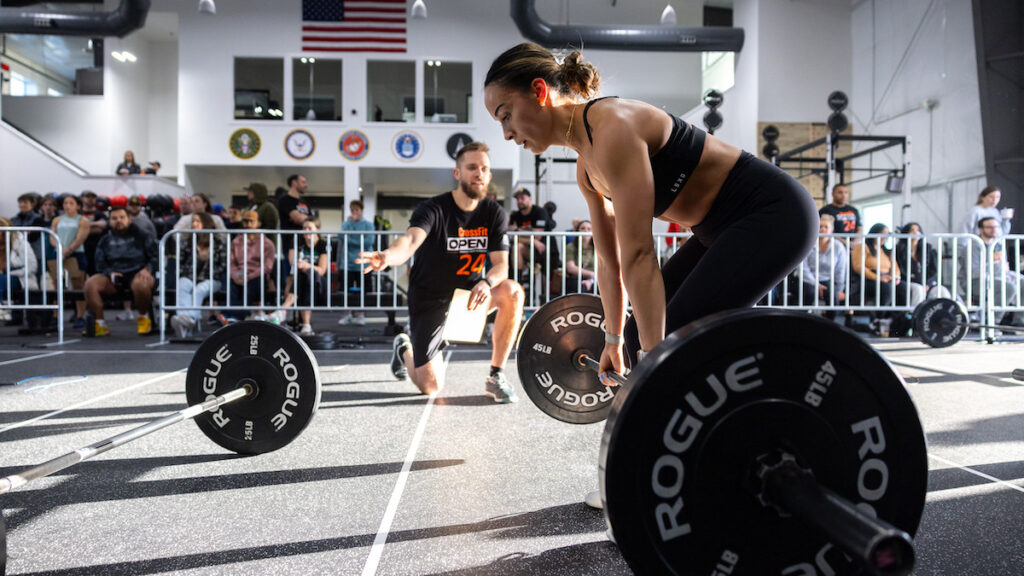
Many healthy adults have resting heart rates between 60 and 100 beats per minute. Regular endurance training often lowers resting heart rate into the 50s, while highly trained endurance athletes sometimes record values below 50 beats per minute.
Lower resting heart rates within a healthy range generally indicate greater cardiovascular efficiency.
Resting Heart Rate Predicts Health
Large population studies have found that higher resting heart rates are associated with increased risk of cardiovascular disease and mortality, even after accounting for other health factors. While resting heart rate should never be viewed in isolation, it provides another useful piece of information when evaluating overall fitness.
Tracking your resting heart rate over several weeks often reveals improvements as your aerobic fitness increases.
Why Appearance Can Be Misleading
Fitness and appearance are often confused. Someone with visible abdominal muscles may have low body fat but poor cardiovascular fitness. Another person may carry more body fat while possessing excellent aerobic endurance, muscular strength, mobility, and metabolic health.
Research consistently shows that cardiorespiratory fitness is one of the strongest predictors of health outcomes regardless of body weight. This explains why physically active individuals with higher body fat often have lower disease risk than sedentary individuals who appear lean.
Instead of focusing only on mirrors or scales, evaluate how your body performs.
- Can you recover quickly?
- Can you move comfortably throughout the day?
- Are you becoming stronger?
- Can you balance well?
- Does your heart recover efficiently after exercise?
Those answers provide a much clearer picture of your true fitness.
Fitness Is About What Your Body Can Do
Modern fitness culture often emphasizes aesthetics over function. However, the human body evolved to move, adapt, and perform rather than simply look a certain way. Scientists increasingly encourage measuring multiple components of fitness because no single test captures complete physical health.
Cardiorespiratory fitness, muscular strength, muscular endurance, flexibility, balance, mobility, coordination, and recovery all contribute to long term health and performance.
You do not need to excel in every category. If you display several of the signs described above, there is a good chance your body is healthier and fitter than you may realize. The goal should not be perfection. It should be gradual improvement. Consistently exercising, sleeping well, eating nutritious foods, managing stress, and staying physically active will continue strengthening every one of these fitness markers over time.
Rather than comparing yourself with others, compare yourself with who you were six months ago. If your recovery is faster, your strength is increasing, daily activities feel easier, your balance has improved, and your heart is becoming more efficient, your body is telling you something important. You are getting fitter.
Key Takeaways
| Sign | Why It Matters | What It Suggests |
|---|---|---|
| Fast recovery after exercise | Reflects cardiovascular and nervous system efficiency | Better aerobic fitness and recovery capacity |
| Everyday activities feel easy | Demonstrates strong functional fitness | Healthy heart, lungs, and muscular endurance |
| Strength continues improving | Shows successful adaptation to training | Better muscle function, bone health, and long term resilience |
| Good balance and coordination | Indicates healthy neuromuscular function | Lower injury risk and better movement quality |
| Relatively low resting heart rate | Reflects improved cardiovascular efficiency | Stronger heart and better overall aerobic fitness |
References
- American College of Sports Medicine. (2022). ACSM’s Guidelines for Exercise Testing and Prescription. 11th ed. Philadelphia: Wolters Kluwer.
- Blair, S.N., Kohl, H.W., Paffenbarger, R.S., Clark, D.G., Cooper, K.H. and Gibbons, L.W. (1989). Physical fitness and all cause mortality. A prospective study of healthy men and women. Journal of the American Medical Association, 262(17), pp.2395 to 2401.
- Booth, F.W., Roberts, C.K. and Laye, M.J. (2012). Lack of exercise is a major cause of chronic diseases. Comprehensive Physiology, 2(2), pp.1143 to 1211.
- Bouchard, C., Blair, S.N. and Haskell, W.L. (2012). Physical Activity and Health. 2nd ed. Champaign: Human Kinetics.
- Carnethon, M.R., Gulati, M. and Greenland, P. (2005). Prevalence and cardiovascular disease correlates of low cardiorespiratory fitness in adolescents and adults. Journal of the American Medical Association, 294(23), pp.2981 to 2988.
- Cole, C.R., Blackstone, E.H., Pashkow, F.J., Snader, C.E. and Lauer, M.S. (1999). Heart rate recovery immediately after exercise as a predictor of mortality. New England Journal of Medicine, 341(18), pp.1351 to 1357.
- Grgic, J., Schoenfeld, B.J., Orazem, J. and Sabol, F. (2020). Effects of resistance training performed to repetition failure or non failure on muscular strength and hypertrophy. Journal of Sport and Health Science, 10(3), pp.275 to 283.
- Kodama, S., Saito, K., Tanaka, S., Maki, M., Yachi, Y., Asumi, M., Sugawara, A., Totsuka, K., Shimano, H., Ohashi, Y., Yamada, N. and Sone, H. (2009). Cardiorespiratory fitness as a quantitative predictor of all cause mortality and cardiovascular events. Journal of the American Medical Association, 301(19), pp.2024 to 2035.
