


A Detailed Ketogenic Diet Food List to Follow
The following are some of the best foods to eat on the keto diet, along with their serving sizes and an explanation of why they’re good for people who follow this eating approach.
Avocado Oil
Per 1 tablespoon (tbsp): 124 calories, 0 g net carbs, 0 g protein, 14 g fat
Benefits: This is a good source of healthy unsaturated fats.
Coconut Oil (in Moderation)
Per 1 tbsp: 121 calories, 0 g net carbs, 0 g protein, 14 g fat
Benefits: Coconut oil is rich in medium-chain triglycerides, which are good for heart health.
That said, it is high in saturated fat, so it may still be best to choose unsaturated sources of fat, such as olive oil, for heart health. The data isn’t yet clear about the risks and benefits of coconut oil.
MCT Oil
Per 1 tbsp: 130 calories, 0 g net carbs, 0 g protein, 14 g fat, in the oil sold by Carrington Farms
Benefits: Often derived from coconut, MCT stands for medium-chain triglycerides, which may have some benefits, such as increased energy, a boost to athletic performance (in animal studies, at least), and reduced appetite. That said, it is high in saturated fats and should be avoided if you have a heart or liver condition.
Cheddar
Per 1 ounce slice: 115 calories, 0 g net carbs, 7 g protein, 9.5 g fat
Benefits: Cheese is allowed as you please on the keto diet. Research shows people who eat some cheese have a lower risk of heart disease, stroke, and death from cardiovascular disease. But cheese can be high in salt and saturated fats, so proceed with caution. Avoid American cheese, which is highly processed.
Heavy Cream (in Moderation)
Per 1 tbsp: 51 calories, 0.5 g net carbs, 0 g protein, 5 g fat
Benefits: This is an easy way to add calories and fat into a ketogenic diet, though it is rich in saturated fat.
Bacon
Per 1 medium slice: 37 calories, 0 g net carbs, 3 g protein, 3 g fat
Benefits: The green light on bacon may be one reason you’re up for sticking with a keto diet, as it can make eating occasions more enticing. Just watch the sodium content, which can add up quickly and certainly won’t help with lowering blood pressure. And as with all the meats on this list, don’t go overboard — you don’t want to eat too much protein (or saturated fat) on keto.
Chicken Thighs
Per 1 thigh: 181 calories, 0 g net carbs, 18 g protein, 12 g fat
Benefits: Leave the skin on here for extra fat. (Skin-on, dark-meat poultry is higher in saturated fat than white meat, though.
) One thigh is a good source of riboflavin, niacin, B6, and B12.
Eggs
Per 1 large egg: 72 calories, 0 g net carbs, 6 g protein, 5 g fat
Benefits: Eggs contain the perfect combo of satiating protein and fat (most of which is unsaturated); they’re also high in the antioxidant mineral selenium.
Ground Beef
Per 4 ounces (measured raw): 375 calories, 0 g net carbs, 16 g protein, 34 g fat
Benefits Ground beef made with 70 percent lean meat and 30 percent fat is a higher-fat choice — but that’s the point here. It’s also an excellent source of vitamin B12.
This vitamin is important for making and supporting healthy nerve cells and red blood cells in the body.
New York Strip Steak
Per 4 ounces of prime meat trimmed to eighth-inch fat (measured raw): 318 calories, 0 g net carbs, 22 g protein, 25 g fat
Benefits: You’ll get an impressive amount of muscle-building protein plus satiating fat with this option. It’s also rich in zinc.
Zinc supports enzyme activity, enhances immune function, and has wound-healing effects, among other benefits.
Asparagus
Per 1 cup (raw): 27 calories, 5 g net carbs, 3 g protein, 0 g fat
Benefits: Asparagus contains bone-building calcium, plus other minerals, such as potassium and magnesium.
These have been linked with blood sugar regulation.
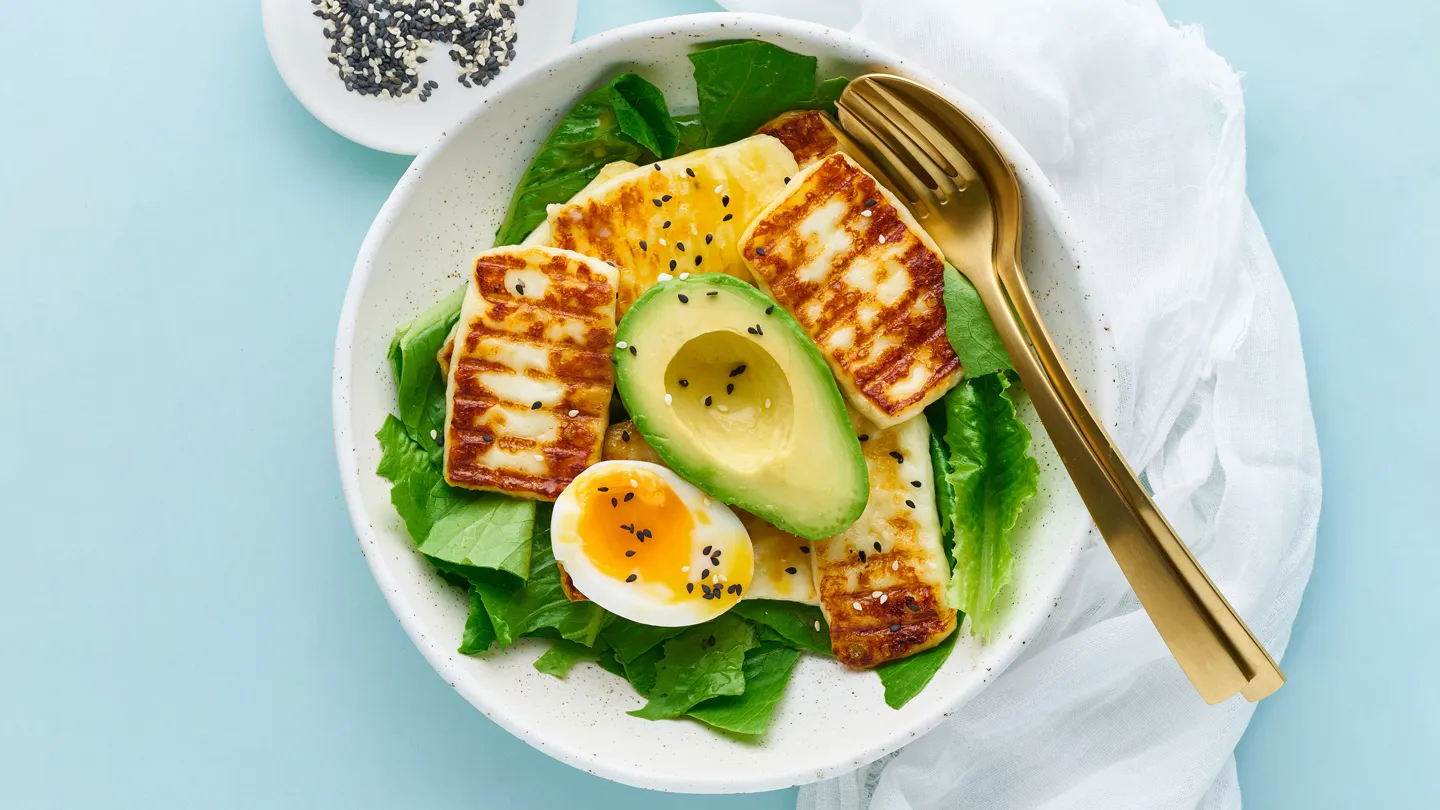
Avocado
Per half avocado: 160 calories, 2 g net carbs, 2 g protein, 15 g fat
Benefits: This creamy fruit is packed with fiber, something that you may lack on the keto diet, as well as monounsaturated fatty acids.
It is also a good source of immune-revving vitamin C.
Bok Choy
Per 1 cup (shredded): 9 calories, 1.5 g net carbs, 1 g protein, 0 g fat
Benefits: Chinese cabbage is a rich source of vitamins A and C, and it offers some calcium and iron.
Cauliflower
Per 1 cup (raw): 27 calories, 3 g net carbs, 2 g protein, 0 g fat
Benefits: Provides an excellent source of vitamin C. And with 2 g of fiber, it counts toward your daily goal for this healthy nutrient.
Celery
Per 1 cup (chopped, measured raw): 14 calories, 1 g net carbs, 1 g protein, 0 g fat
Benefits: Celery is a super-hydrating veggie, with 96.4 g of water in 1 cup. These crunchy spears also contain vitamins A and K and folate.
Cucumber
Per half cup (sliced): 8 calories, 2 g net carbs, 0 g protein, 0 g fat
Benefits: Cucumbers are high in water, making them a hydrating choice. They also offer some vitamin K.
This vitamin is important for bone health, and it can reduce your risk of fractures.
Green Peppers
Per 1 cup (sliced): 18 calories, 3 g net carbs, 1 g protein, 0 g fat
Benefits: Along with about a day’s worth of vitamin C, peppers are a good source of vitamin B6, which plays a role in more than 100 enzyme reactions in the body.
Lettuce
Per 1 cup (shredded): 5 calories, 1 g net carbs, 0.5 g protein, 0 g fat
Benefits: Leafy greens can add bulk to your meals for very few calories, as well as vitamin A.
This vitamin supports the growth of healthy skin and hair.
White Mushrooms
Per 1 cup (whole, measured raw): 21 calories, 3 g net carbs, 3 g protein, 0 g fat
Benefits: Mushrooms have many health benefits, including decreasing cancer risk, lowering cholesterol, protecting brain health, encouraging a healthier gut, and supporting the immune system.
Zucchini
Per 1 cup (sliced, measured raw): 19 calories, 3.5 g net carbs, 1 g protein, 0 g fat
Benefits: This is a great way to sneak in additional fiber, and the veggie also contains some manganese.
This mineral helps form bone and aids in blood glucose management.
