


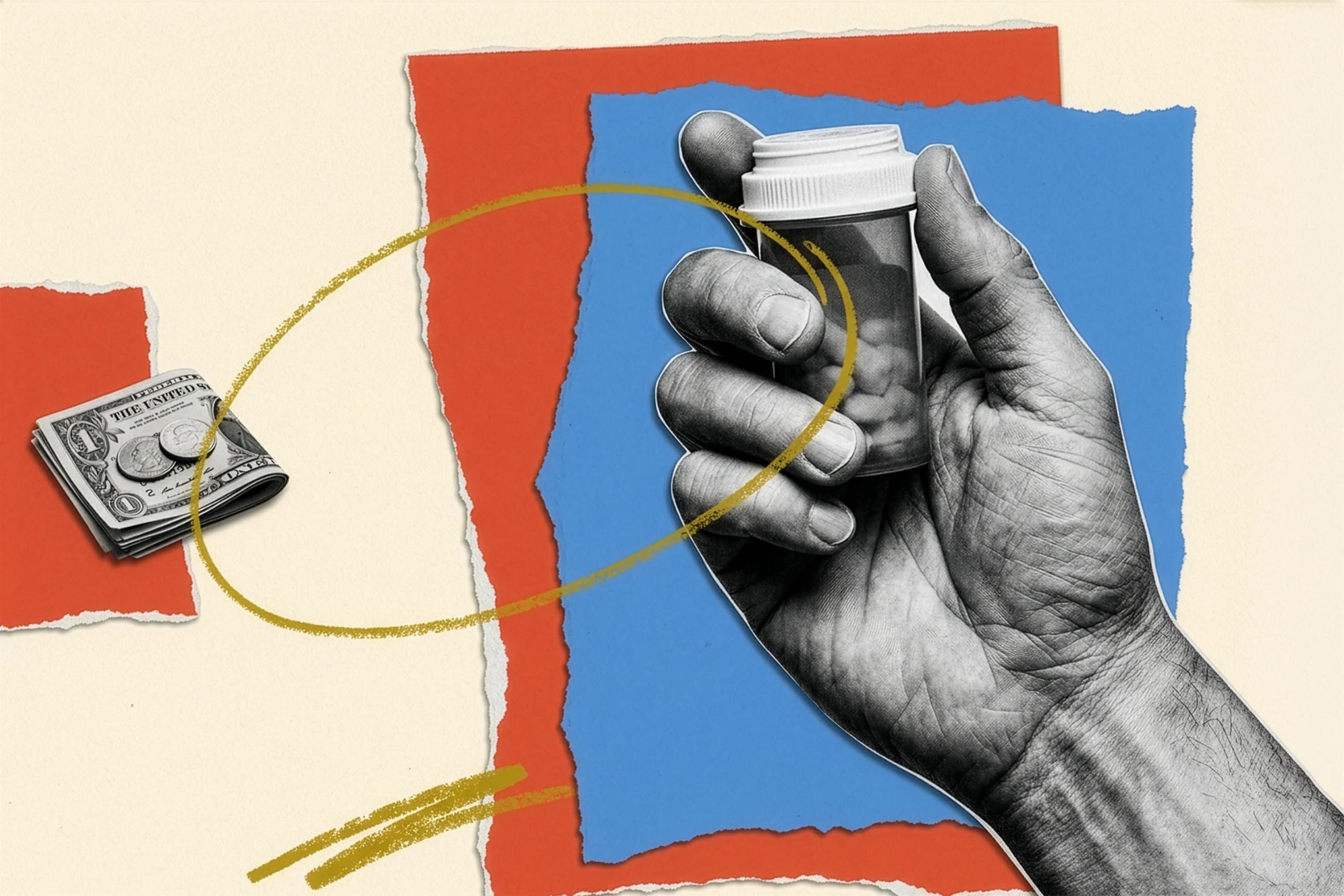
Health savings accounts are one of the best ways to save for medical expenses. But new research suggests that many people aren’t taking full advantage of one of the account’s biggest benefits.
HSAs offer what’s known as a “triple tax advantage”: Contributions are made with pre-tax dollars, investments grow tax-free and withdrawals for qualified medical expenses are also tax-free. The combination of tax-friendly treatment plus compound growth on interest earned on investments makes them a powerful long-term savings tool.
Yet a new survey from the Employee Benefit Research Institute (EBRI) found that nearly two-thirds of HSA holders primarily use the accounts to pay current or near-term health care expenses instead of building up savings for their older (and often more expensive) years.
For people who can afford to leave the money untouched, that could mean giving up years of tax-free growth before eventually using those funds to pay qualified expenses in retirement.
Most HSA holders are focused on today’s medical bills
For many people, an HSA isn’t necessarily part of a long-term retirement strategy. More than half of respondents (54%) to the EBRI survey said they opened the account because their employer contributes money to it, making employer funding the most common reason for enrolling in the first place.
Interestingly, the survey also suggests tax benefits may be becoming less of a motivator. Fewer respondents cited an HSA’s tax advantages as a reason for opening than they did in 2024, even as account balances have continued to grow.
Health savings accounts are available to people enrolled in eligible high-deductible health plans. While many workers get access to an HSA through their employer, it’s possible to open one independently. That’s generally possible if you’re enrolled in an HSA-eligible health plan and don’t have other coverage that disqualifies you, such as Medicare, Medicaid or certain other health plans. You also can’t be claimed as someone else’s dependent.
Once the account is open, research suggests many people use it like a checking account for health care expenses as they come up, covering everything from doctor visits and prescriptions to other out-of-pocket medical costs. Given the high cost of health care, that’s understandable. Many families simply need access to those funds today.
That approach, however, may cause some savers to miss an opportunity to prepare for one of retirement’s biggest expenses. Fidelity estimates that a 65-year-old retiring this year could spend an average of $185,500 on health and medical expenses throughout retirement.
Why an HSA is a powerful retirement account
Unlike most retirement accounts, an HSA is specifically designed around health care spending — and its tax treatment makes it uniquely valuable for future medical costs.
“The HSA is the only account in the tax code that’s tax-free on both ends,” says Geoff Schmidt, a certified public accountant and founder of Holy Schmidt, a retirement education hub. “A Roth gives you one end, a 401(k) gives you the other [and] the HSA gives you both.”
To spell that out further: With a traditional 401(k), you typically get a tax break upfront when you contribute, but you pay taxes when you withdraw. With a Roth account, you contribute after-tax money, but qualified withdrawals are tax-free. An HSA combines both benefits, allowing contributions and withdrawals to be tax-free.
Unlike a flexible spending account (FSA), you don’t have to rush to spend your HSA before the end of the year. Instead, the balance rolls over. Many HSA providers also let account holders invest their balances in mutual funds or other investment accounts, though some require a minimum cash balance before investing. Over time, those investments have the potential to earn higher returns than money sitting in cash, allowing HSA balances to grow beyond new contributions while maintaining the tax advantages.
Yet relatively few people take advantage of that feature. Only about 10% of HSA accounts were actually invested at the end of 2025, up from 7% in 2023, according to Devenir, an HSA investment firm. Those invested accounts held nearly half of all HSA assets, suggesting that people with larger balances are more likely to invest their HSA savings for the long term.
Many people likely never get to that point because they view the account as a place to pull money from for near-term costs — making it another common way that people miss out of the true benefits of these accounts.
“People think an HSA is a spending account,” Schmidt says. “The name says savings, but the plumbing says checking. You receive a debit card, and consumer behavior follows the debit card.”
For workers who have enough cash flow to cover immediate medical bills themselves, one strategy is to pay those expenses out of pocket instead of withdrawing money from an HSA right away. By saving receipts, they can leave those HSA dollars invested — giving them more time to potentially grow — and reimburse themselves tax-free years or even decades later.
“The caveat is that this takes documentation discipline most people don’t sustain across two decades,” Schmidt adds. “If you can’t produce the receipt in 2046, the strategy was theoretical.”
However, the long-term savings approach isn’t right for everyone. If paying a doctor’s bill outright means draining your emergency savings or taking on high-interest debt, using HSA funds may be the better financial decision.
“If paying a $4,000 medical bill out of pocket means carrying it on a card at 22%, you’ve just lost money protecting an account growing at 7%,” Schmidt says. “The math doesn’t work no matter how good the tax treatment is.”
Ultimately, the best strategy depends on your financial situation and your life stage. Using HSA money for current medical expenses is exactly what the account is designed for. But for people who can comfortably pay those costs out of pocket, leaving HSA dollars invested can provide a tax-efficient way to prepare for major health care costs later in life. Someone approaching Medicare eligibility, for example, has less time to benefit from long-term investment growth than a worker with decades until retirement.
