


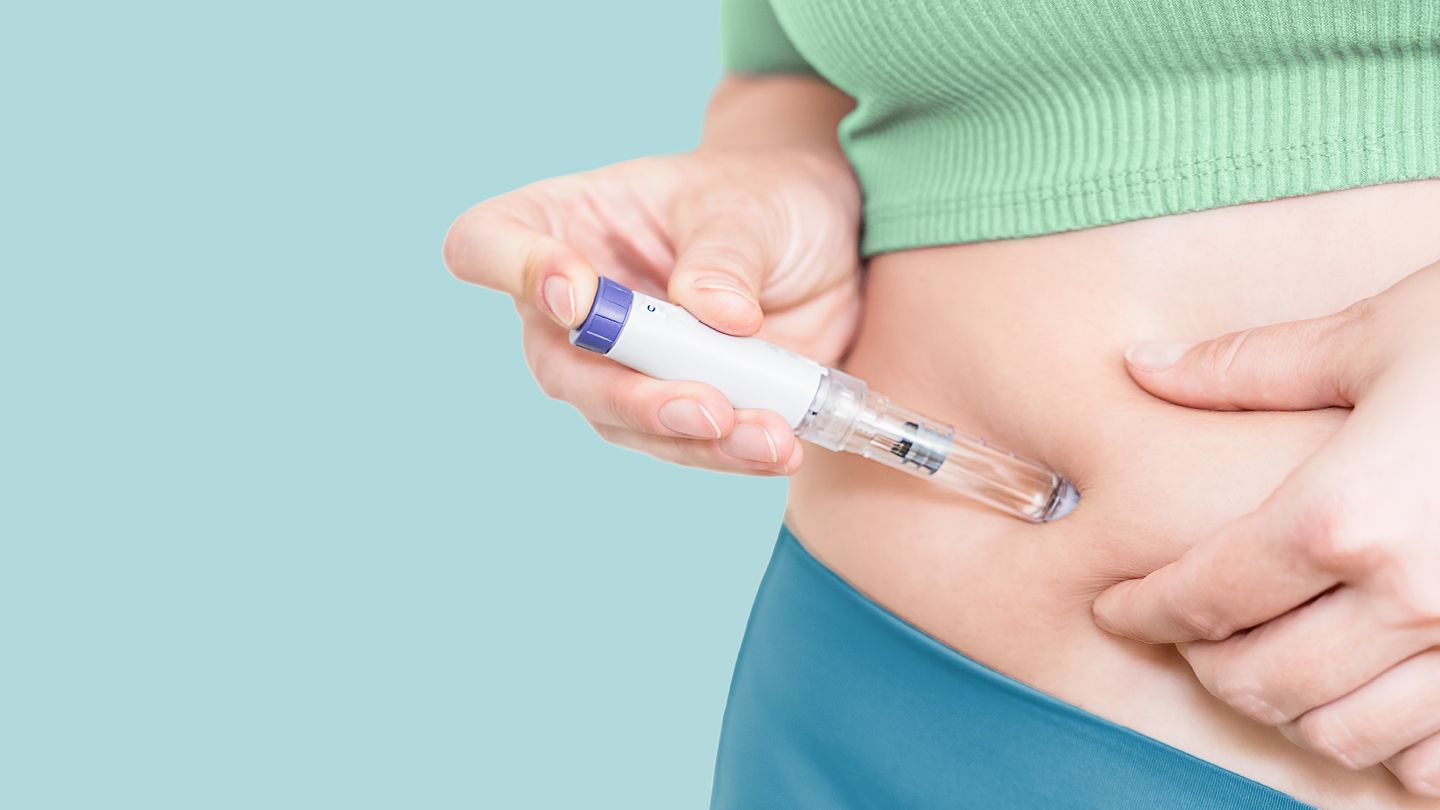
That’s about to change — temporarily, at least.
Beginning July 1, 2026, a new GLP-1 Bridge program will offer select Medicare members the ability to pay just $50 per month for certain weight loss medications.
“This is absolutely fantastic,” says Nancy Nielsen, MD, PhD, a senior associate dean for health policy at the Jacobs School of Medicine and Biomedical Sciences at the University at Buffalo in New York. “We know these medications are life-changing for patients.”
But doctors say there are a few nuances to keep in mind, including that this coverage is not permanent.
“The Bridge program is a payment demonstration. It does not change the underlying prohibition of coverage of weight loss medications,” says Thomas Tsai, MD, MPH, an associate professor of health policy and management at the Harvard T.H. Chan School of Public Health in Boston.
Who Will Qualify for $50 GLP-1s Through Medicare?
To qualify for the new Medicare GLP-1 Bridge program, applicants must be 18 or older and enrolled in a Medicare Part D prescription drug plan or a Medicare Advantage plan with drug coverage.
- A body mass index (BMI) of 35 or more.
- A BMI of 30 to 34.9 plus at least one of the following:
- A BMI of 27 to 29.9 and at least one of the following:
“Patients who are already on GLP-1s for other conditions, such as diabetes or liver disease, would stay on their original coverage under their Part D drug plan,” Dr. Tsai says.
Which Medications Are Covered Under the Medicare GLP-1 Bridge Program?
The new program will apply to specific GLP-1s that are prescribed for weight loss:
Navigating the Fine Print: How the Finances Work
Beneficiaries of the Medicare GLP-1 Bridge program must be enrolled in select Medicare prescription plans, but the program will run separately from standard Medicare. “It sits outside Part D. The $50 is an additional cost,” Tsai says.
Under the Inflation Reduction Act, Part D out-of-pocket costs are capped at $2,100. But Bridge program costs will not count toward that total, he explains.
“Beneficiaries on the Bridge program would still be responsible for paying the $50 copay, even if they have met the $2,100 deductible for Part D,” Tsai says.
The Bridge program will also not count toward True Out-of-Pocket (TrOOP) spending limits, and federal assistance programs like “Extra Help” cannot be used to reduce the $50 copay, Dr. Nielsen says. Still, she points out that the $50 copay is an excellent price.
“Some of these medications cost up to $1,300 a month,” she says. “Let’s not look a gift horse in the mouth. This is $50 a month. It’s quite remarkable for these medications.”
How to Get GLP-1s Through the Medicare GLP-1 Bridge Program
Qualifying adults won’t have to go through an enrollment process to access the new Bridge program, Tsai says. “For patients with obesity, their prescribing physician would submit prior authorization to the central processor rather than the Part D plan, and once approved, the patient would pay $50 at the pharmacy,” he says.
Tsai notes that many physicians will need to be educated on the Bridge program.
If you’re unsure if you qualify, Medicare has an online checklist to help potential beneficiaries know if they’re covered.
What Will Happen When the Bridge Program Ends in 18 Months?
The Medicare GLP-1 Bridge program represents a historic shift in how the federal government views obesity treatment for beneficiaries, but it’s not clear what will happen beyond 18 months.
“The short-term nature of this demonstration may pose challenges,” Tsai says. “The majority of patients experience significant weight regain if treatment with GLP-1 medications stops, and it is unclear if there will be a sustainable, long-term access to GLP-1 treatment for obesity for Medicare beneficiaries.”
Nielsen says she anticipates demand for the GLP-1 Bridge program will be high, making it important to see your healthcare provider for an evaluation now. “I hope that it continues for more than 18 months, but this is an amazing thing,” she says. “I can’t say enough good things about this.”
