


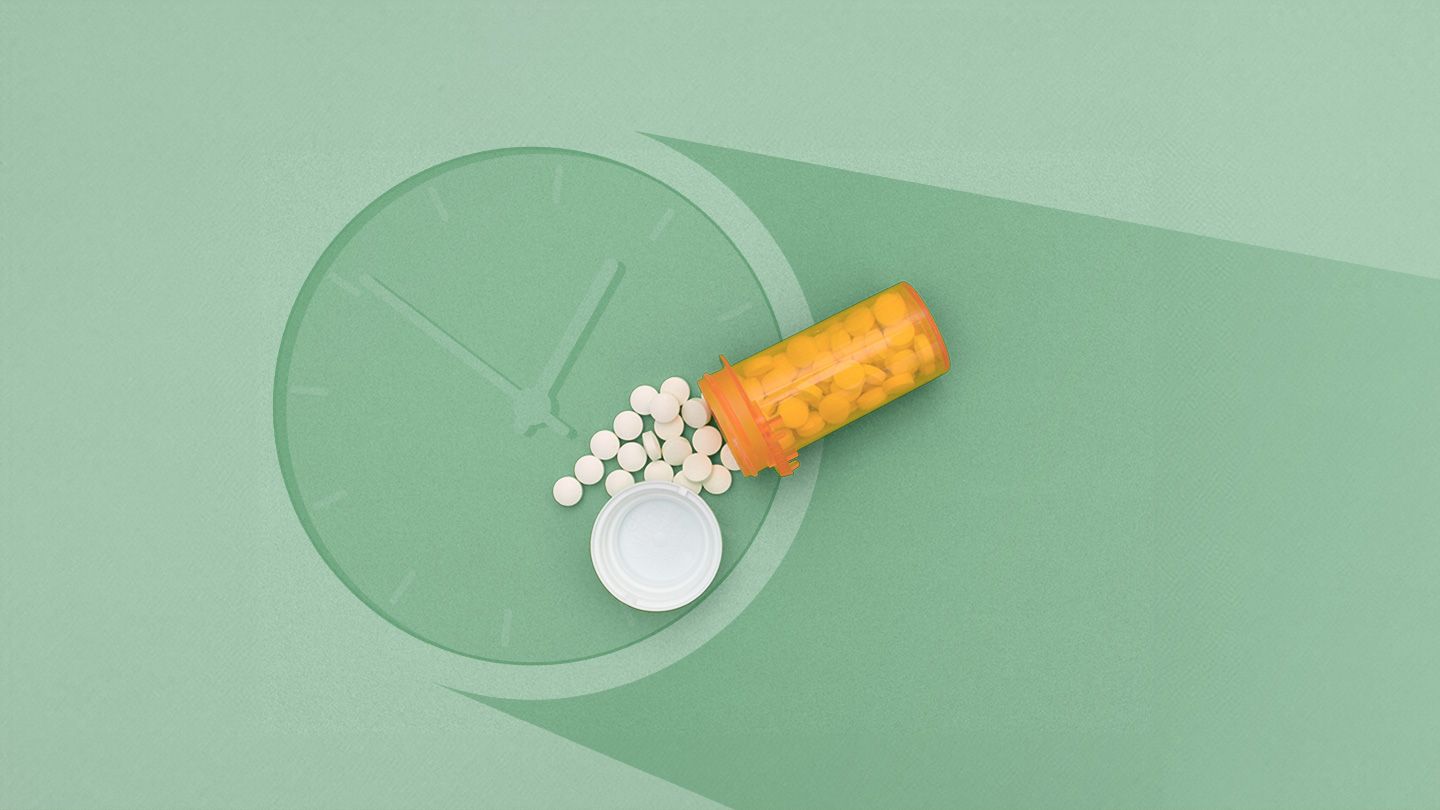
1. Take Them on Time
As a first step, try to take your antidepressant at the same time each day. Your body processes different antidepressants faster or slower than others, so the importance of timing can vary from drug to drug, says Gerard Sanacora, PhD, MD, a psychiatrist and the director of the Yale Depression Research Program in New Haven, Connecticut. “However … I would say, just knowing human behavior, it’s really important to set a routine,” says Dr. Sanacora.
“If you know that you’re taking your medication every morning with breakfast, it helps you to be consistent with it, and that consistency helps you get the benefit of the medication,” says Claire Brandon, MD, a psychiatrist in private practice in New York City. Some antidepressants can make you sleepy or alert, so your provider can also tell you the best time to take it depending on those side effects, says Dr. Brandon.
2. Double-Check Drug Interactions
- Lithium (Lithobid), a mood stabilizer
- Cough or cold medicine with dextromethorphan (aka DXM)
- Tramadol (Ultram), a pain medication
- Cyclobenzaprine (Flexiril), a muscle relaxer
- St. John’s wort, ashwagandha, valerian root, ginkgo biloba, and ginseng, herbs typically sold as dietary supplements
- Blood thinners like warfarin (Coumadin, Jantoven) and clopidogrel (Plavix)
- Benzodiazepines like diazepam (Valium), clonazepam (Klonopin), and alprazolam (Xanax)
- Sleep medications like temazepam (Restoril) and zolpidem (Ambien)
- Heart medication like metoprolol (Lopressor, Toprol-XL, Kapspargo) and propranolol
It’s always a good idea to ask your pharmacist and your provider before you start taking a new medication or supplement, says Sanacora.
3. Tell Your Provider About Side Effects
Side effects from antidepressants are usually mild and fade within a few weeks, says Brandon. “I do encourage patients to stick through for a little bit if they can.” But Brandon also takes side effects very seriously and works with her patients to adjust medications and doses if needed.
“My number one piece of advice is to work with a psychiatrist you like and trust and to communicate with them early about any side effect concerns,” says Brandon. “Don’t go it alone!”
4. Exercise to Boost Your Mood
Your antidepressant will work best alongside lifestyle changes like regular exercise, says Sanacora. Antidepressants don’t make you suddenly feel happy, he says.
Instead, these drugs aim to work to allow you to experience pleasure and reward, says Sanacora. “[But] you still need to go out and do the things that provide you that.”
5. Optimize Your Diet
Some foods and drinks can change how antidepressants work in your body. Sanacora recommends asking your pharmacist if any foods interact with your medication. These could include:
- Foods with tyramine (an amino acid, or protein building block), like aged cheese, anything fermented, and cured, smoked, or processed meats, among others.
- Grapefruit, which can increase the side effects of sertraline (Zoloft)
- Alcohol and recreational drugs, which cause mood changes and can make antidepressants less effective
Focus on foods that can improve your mood. “If we look at the research, the Mediterranean diet has the strongest evidence for reducing depressive symptoms and preventing depression,” says Brandon. This diet might work by decreasing inflammation and boosting your gut microbiome, Brandon says.
More research is needed to understand how diet affects depression, says Sanacora. “In general, a healthy diet, where you’re getting sufficient carbohydrates, protein, fat, vitamins — is probably the best we can say at this point,” says Sanacora. Getting these nutrients from whole foods, rather than from supplements, is best. Avoiding ultraprocessed foods may also help.
What to Do if Your Antidepressant Isn’t Working
If you feel like your antidepressant isn’t working, tell your provider. They can help you figure out if you need a new medication, a different dose, or if you can try adding other therapies and lifestyle changes to help it work better.
