

Close Menu
Your Life After RetirementYour Life After Retirement
  • Home
  • Retirement News
  • Lifestyle
  • Fitness
  • Wellness
  • Senior Health
  • Finance
  • Medicare & Insurance
Top Post

What Is Polyendocrine Metabolic Ovarian Syndrome (PMOS), Formerly Known as PCOS? Symptoms, Causes, Diagnosis, and Treatment

June 19, 2026

Do You Want To Live To Age 100?

June 19, 2026

Dante Moore Shares the New Routine Addition That has Him Ready to Contend for a National Title

June 19, 2026
Facebook X (Twitter) Instagram
Trending
  • What Is Polyendocrine Metabolic Ovarian Syndrome (PMOS), Formerly Known as PCOS? Symptoms, Causes, Diagnosis, and Treatment
  • Do You Want To Live To Age 100?
  • Dante Moore Shares the New Routine Addition That has Him Ready to Contend for a National Title
  • Île de Ré Is France’s Answer to Martha’s Vineyard: A Guide to the Island
  • How Regenerative Agriculture Re-Connects Us Back To The Earth
  • 5 Signs You’re Doing Better Than the Average Gym-Goer
  • Kaia Gerber Designs a Dôen x Library Science Dress for Bookish Fashion Girls
  • Stocks Rally on Middle East Peace, Apple-Intel Deal: Stock Market Today
Friday, June 19
Your Life After Retirement
  • Home
  • Retirement News
  • Lifestyle
  • Fitness
  • Wellness
  • Senior Health
  • Finance
  • Medicare & Insurance
Your Life After Retirement
Home»wellness»What Is Polyendocrine Metabolic Ovarian Syndrome (PMOS), Formerly Known as PCOS? Symptoms, Causes, Diagnosis, and Treatment
wellness

What Is Polyendocrine Metabolic Ovarian Syndrome (PMOS), Formerly Known as PCOS? Symptoms, Causes, Diagnosis, and Treatment

yourlifeafterretirementBy yourlifeafterretirementJune 19, 2026
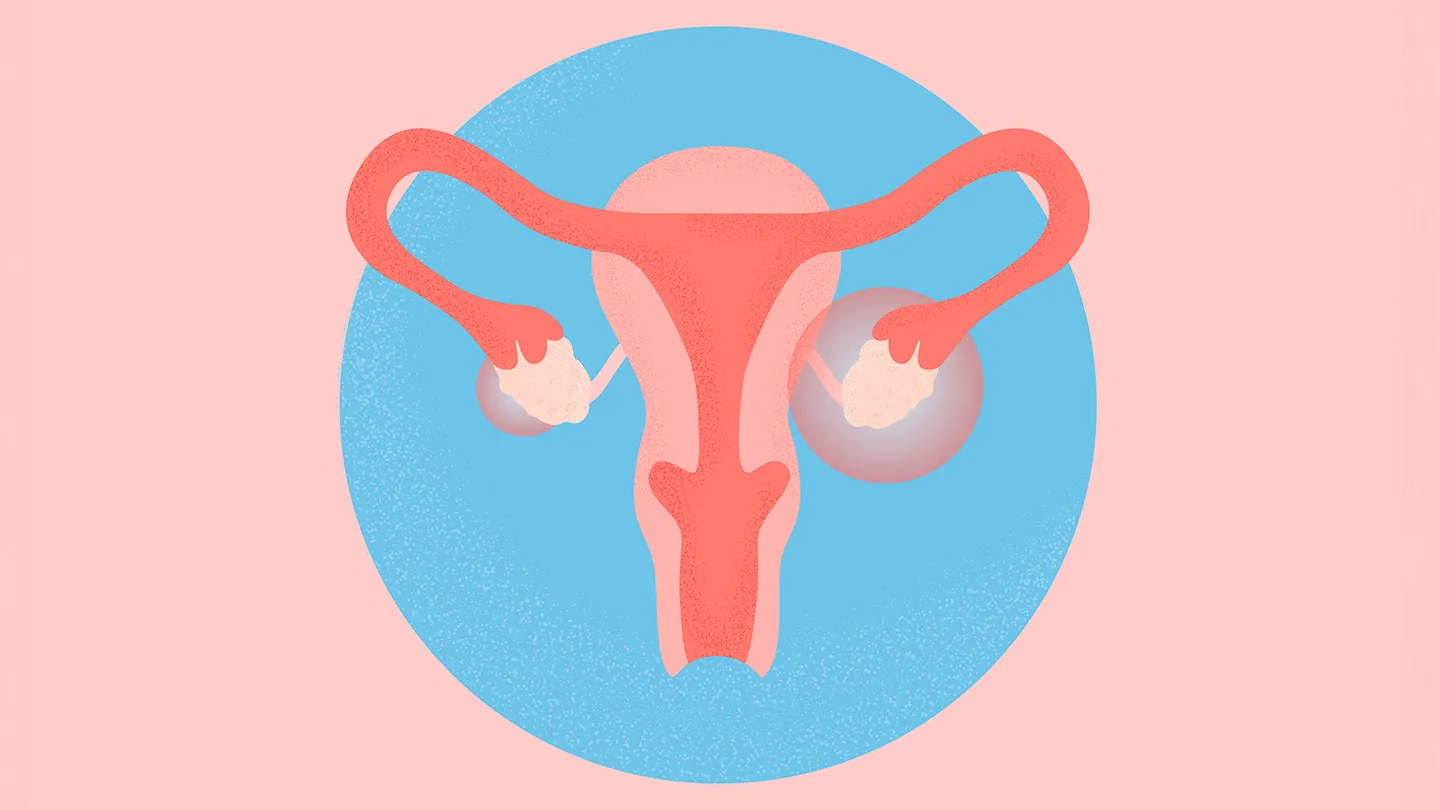
What Is Polyendocrine Metabolic Ovarian Syndrome (PMOS), Formerly Known as PCOS?
Share
Facebook Twitter LinkedIn

While there’s currently no cure for PMOS, the symptoms can be managed with medications, lifestyle modifications, and, in rare cases, surgery. The right PMOS treatment method for you will depend on your symptoms and whether you’re planning to become pregnant.

Medication Options

Medications to help treat PMOS symptoms include:

  • Combined Hormonal Birth Control Pills Birth control pills containing both estrogen and progestin help regulate your period and are the primary treatment for women with PMOS who are not trying to become pregnant. They can be used long term and may help reduce excess hair and acne, as well as decrease the risk of endometrial cancer.

  • Diabetes Medications Certain diabetes drugs, such as metformin, can be prescribed off-label to help your body respond to insulin, lose weight, decrease the risk of type 2 diabetes, and improve ovulation.

  • Anti-Androgens These medications can block the effects of excess androgens on your body, helping to decrease unwanted hair growth, reduce scalp hair loss, and improve acne.
  • Acne Treatments Retinoids, antibacterial agents, and antibiotics are all common medications used to treat acne.

It’s important to tell your doctor if you’re trying to become pregnant, as they can help advise you on the best medications for your situation. Women who are trying to conceive need to take a special approach to treating PMOS, because they will not be able to use hormonal birth control.

Treatments for Infertility

For many women, infertility is one of the most distressing complications of PMOS. Many women with PMOS do not naturally ovulate, or only ovulate irregularly, and will struggle to conceive without treatment.

A doctor may recommend the following treatments to start ovulation and improve your chances of becoming pregnant:

  • clomiphene (Serophene)
  • letrozole (Femara)
  • metformin (Glucophage)
  • gonadotropins

If you are overweight or have obesity, losing weight may also help improve your fertility.

If medications are unsuccessful, a doctor may recommend in vitro fertilization, or IVF. In this procedure, eggs are removed from the ovaries, fertilized outside of the body, and then placed into the uterus.

Complementary and Integrative Therapies

If you’re experiencing excess, bothersome hair growth as a PMOS symptom, there are many ways to remove it. You can shave, pluck, or wax hair as a temporary fix. For a longer-lasting option, you can also use laser hair removal. And to permanently remove hair, there’s electrolysis, which involves a trained professional using a small needle to destroy hair follicles.

Researchers are beginning to look into other complementary treatments, including vitamins and supplements, for managing PMOS symptoms. While available research is limited and more studies are needed to determine their benefits, the following therapies may be useful:

  • Vitamin D Taking a vitamin D supplement may help improve insulin metabolism and regulate ovulation issues. Vitamin D also has anti-inflammatory properties, so it could help if you have low-grade inflammation.
  • Vitamin E Some evidence suggests that vitamin E can improve blood sugar and cholesterol. It may also affect androgen hormones.
  • Acupuncture This complementary therapy may benefit PMOS treatment by improving symptoms related to ovulation and period irregularities.
  • Probiotics and Prebiotics Your gut microbiome has a hand in many aspects of your health and is associated with PMOS. Prebiotics and probiotics can support a healthy gut, improve your hormones, and reduce inflammation.
  • Folic Acid Folic acid supplements have been shown to reduce body mass index in people with PMOS. Weight gain is a common symptom of PMOS.
  • Selenium This supplement is an antioxidant and has anti-inflammatory properties. While selenium doesn’t seem to help with hormone imbalances, it may reduce cholesterol and insulin levels.

Be sure to contact a doctor before starting any new supplement, as it may interfere with the medications you’re already taking. Plus, your doctor can do a simple blood test to check your vitamin and mineral levels, showing where you may have a deficiency.

Surgery

Surgery to treat PMOS is rarely used.

However, your doctor might recommend an outpatient surgical procedure, known as ovarian drilling, if you want to become pregnant and medications are not helping you ovulate.

In this procedure, a surgeon will make a small incision in your belly and use tools to destroy some ovarian follicles and androgen-producing ovarian tissue. This can sometimes help improve ovulation and follicle maturation.

Diagnosis Metabolic Ovarian PCOS PMOS Polyendocrine Symptoms Syndrome Treatment
Share. Facebook Twitter Pinterest LinkedIn Email
Previous ArticleDo You Want To Live To Age 100?
yourlifeafterretirement
  • Website

Related Posts

wellness

How to Bake When You Have Diabetes

June 19, 2026
wellness

How to Spot the Early Warning Signs of Dementia

June 18, 2026
wellness

What to Know About Gallstones When You Have Crohn’s Disease

June 18, 2026
Add A Comment
Leave A Reply Cancel Reply

Top Posts

Alyssa McElheny’s HYROX Tips for Athletes with a Running Background

June 4, 20260 Views

Best Student Loan Refinance Companies of June 2026

June 4, 20260 Views

How much should you pay for an ethically made T-shirt? | Ethical and green living

June 4, 20260 Views

Is AI Better for Patients?

June 4, 20260 Views
Most Popular

No One Likes Medicare Advantage

June 4, 202610 Views

How Medicare’s initial enrollment period works

June 4, 20266 Views
Trending

Alyssa McElheny’s HYROX Tips for Athletes with a Running Background

June 4, 2026

The Muscle-Building Starter Pack: Train Hard, Eat Enough, Recover Right

June 4, 2026
Latest post

What Is Polyendocrine Metabolic Ovarian Syndrome (PMOS), Formerly Known as PCOS? Symptoms, Causes, Diagnosis, and Treatment

June 19, 2026

Do You Want To Live To Age 100?

June 19, 2026
Facebook X (Twitter) Instagram YouTube LinkedIn
  • About Us
  • Contact Us
  • Privacy Policy
  • Terms and Conditions
yourlifeafterretirement All Rights Reserved 2026

Type above and press Enter to search. Press Esc to cancel.