

Close Menu
Your Life After RetirementYour Life After Retirement
  • Home
  • Retirement News
  • Lifestyle
  • Fitness
  • Wellness
  • Senior Health
  • Finance
  • Medicare & Insurance
Top Post

Is Your Gut Healthy? How to Tell

July 28, 2026

Coach Promo Codes for July 2026

July 28, 2026

Apartment owner’s lawsuit accuses Topa of underpaying Hurricane Beryl claim

July 28, 2026
Facebook X (Twitter) Instagram
Trending
  • Is Your Gut Healthy? How to Tell
  • Coach Promo Codes for July 2026
  • Apartment owner’s lawsuit accuses Topa of underpaying Hurricane Beryl claim
  • AI Is Slowly Killing Index Fund Diversification
  • Trump Accounts to Boost Kids’ Financial Know-How, per Bessent
  • Adductor Training May Be the Legday Solution for Strength, Mobility, and Injury Prevention
  • 15 Pre-Fall Staples Fashion People Are Buying From the Nordstrom Anniversary Sale
  • 4 Technical Tools to Read Stock Market Charts Like the Pros
Wednesday, July 29
Your Life After Retirement
  • Home
  • Retirement News
  • Lifestyle
  • Fitness
  • Wellness
  • Senior Health
  • Finance
  • Medicare & Insurance
Your Life After Retirement
Home»wellness»Thyroid Eye Disease Treatments: Injections, Medications, and Surgeries
wellness

Thyroid Eye Disease Treatments: Injections, Medications, and Surgeries

yourlifeafterretirementBy yourlifeafterretirementJuly 1, 2026
Thyroid Eye Disease Treatments: Injections, Medications, and Surgeries
Share
Facebook Twitter LinkedIn

If you have Graves’ ophthalmopathy, also known as thyroid eye disease (TED), the treatment plan will depend on factors such as how severe the disease is and whether the disease is in the active, inflammatory phase or the inactive phase (when symptoms have stabilized and are not worsening).

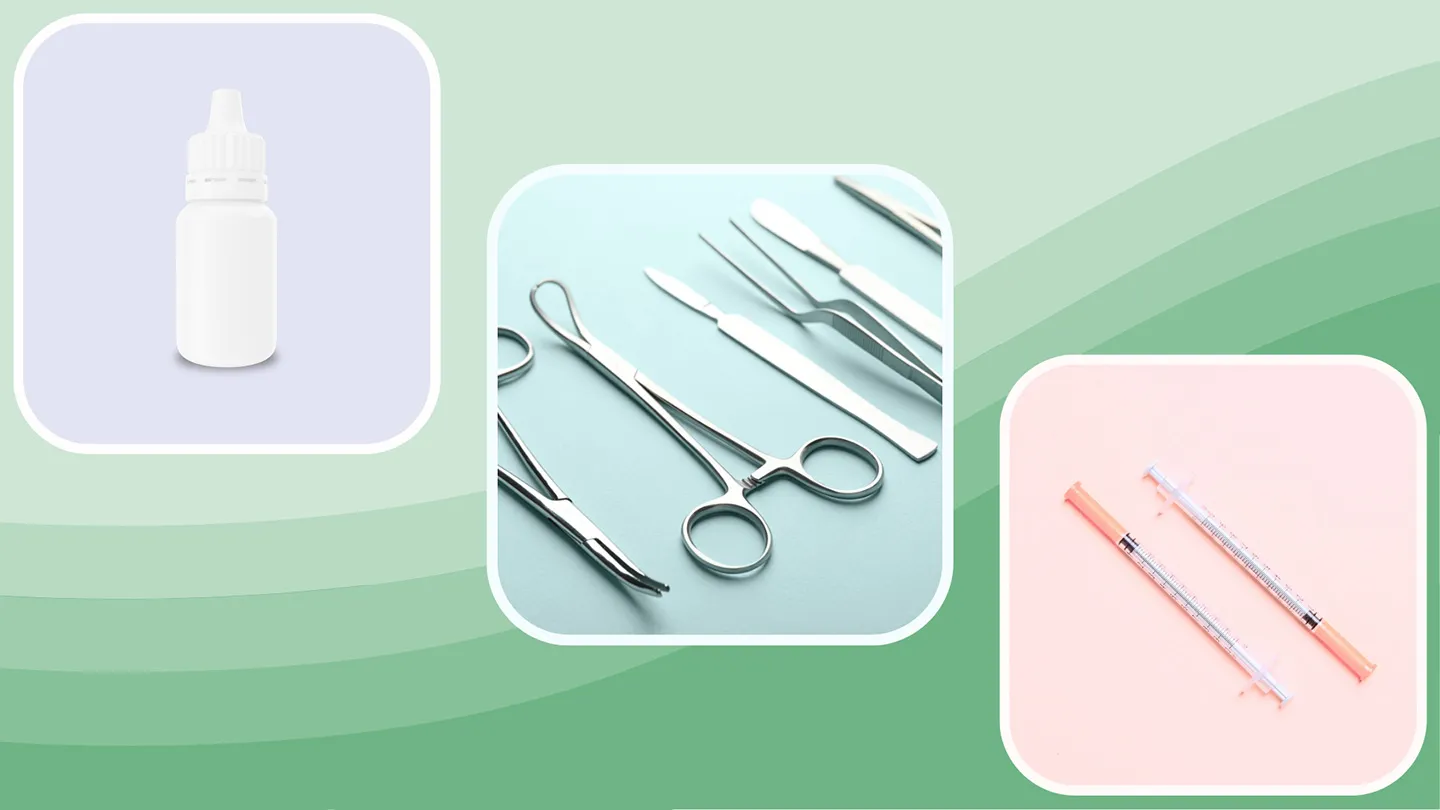
Thyroid eye disease treatment can range from simple lubricating eye drops for mild cases to medication or surgery for more severe cases.

Here are some of the treatment options your doctor may recommend for moderate-to-severe thyroid eye disease.

1. Corticosteroid Injections

What They Do Corticosteroids decrease inflammation in the body and suppress the immune system. They are often the first line of defense for moderate-to-severe thyroid eye disease, because they help alleviate inflammation in the tissue and fat around the eye socket, a frequent cause of dry eye, eye bulging, eyelid retraction, and other common symptoms.

Who Should Use Them “We typically use corticosteroids in people with moderate-to-severe thyroid eye disease,” says Ilya Leyngold, MD, an oculofacial surgeon in Meridian, Idaho. “For the vast majority of patients, corticosteroids work fairly well at decreasing the swelling and pain.”

What to Know About Them Corticosteroids can be given orally or intravenously or injected into the tissues around the eyes. Injections into the eye sockets are often preferred, because they’re more effective and have fewer side effects.

Pros Corticosteroids have potentially saved people from losing their vision, says Dr. Leyngold.

Cons “There are side effects to oral corticosteroids, such as high blood pressure, elevated blood sugar, gastroesophageal reflux disease, bone fractures due to brittle bone formation, hip fractures, insomnia, and severe mood changes,” says Leyngold.

“There are also a multitude of long-term side effects, such as stomach ulcers,” he says. Plus, corticosteroids don’t seem to reduce double vision or eye bulging, which are two particularly bothersome symptoms of thyroid eye disease, Leyngold says.

Other side effects can include:

  • Buildup of fluid in the legs
  • Fatigue
  • Increased risk of infection
  • Loss of appetite
  • Muscle weakness
  • Nausea
  • Weight gain in the belly, face, and neck

2. A Biologic Medication

What It Does Until recently, there were few drugs available that worked as well as corticosteroids for alleviating symptoms of thyroid eye disease. But the introduction of a biologic drug — an insulin-like growth factor–1 receptor inhibitor — called teprotumumab (Tepezza) has significantly reduced symptoms that corticosteroids were unable to control. It is the first and only medicine approved by the U.S. Food and Drug Administration for the treatment of thyroid eye disease.

“In moderate cases of thyroid eye disease, we’re seeing that the efficacy of this drug in terms of reducing swelling, redness, and pain, as well as bulging and double vision, is higher than corticosteroids,” says Leyngold. One review found teprotumumab improved orbital inflammation, eye protrusion, and double visionc substantially.

Who Should Use It A person with significant eye bulging but no history of inflammatory bowel disease and no plans of getting pregnant “may be a candidate for teprotumumab,” says Rona Z. Silkiss, MD, an oculofacial plastic surgeon and founder of Silkiss Eye Surgery in San Francisco, which works with the nonprofit Pacific Vision Foundation.

What to Know About It As of now, teprotumumab is expensive, says Dr. Silkiss. Many insurance companies will either not cover it or take a long time to approve its use. But depending on your health insurance, the medication and infusion may be completely covered, according to the drug’s manufacturer. Call your insurance provider to clarify your benefits.

Pros Quality of life can improve with teprotumumab.

Cons It does have several potential side effects, including elevated glucose [levels], gastrointestinal problems, hair loss, hearing impairment or loss, muscle spasms, and more. “Oversight by the treating doctor is important when using these medications,” says Silkiss.

Other reported side effects include:

  • Dry skin
  • Fatigue
  • Menstruation changes
  • Nail problems
  • Nausea
There’s also emerging evidence that indicates teprotumumab may not provide long-lasting disease control for many patients, who may experience symptom flares. While the biologic is still considered a game-changing medical therapy for thyroid eye disease, doctors are increasingly considering the potential for teprotumumab as a treatment that may work better in combination with other therapies to treat thyroid eye disease.

3. Orbital Decompression Surgery or Eyelid Surgery

What It Does People who have surgery for thyroid eye disease may need multiple procedures, but this can vary from person to person.

Orbital decompression surgery “involves making incisions around and behind the eye or removing bone to enlarge the eye socket to allow the eye to move back into place,” says Leyngold. Doing so can relieve pressure, irritation, dry eye, and more.

In cases where double vision is caused by misalignment of the eyes, your doctor may recommend surgery on the eye muscles to fix where the eyes point. Another option is eyelid surgery, which “lowers or raises the eyelids or reduces puffiness due to fat expansion,” says Silkiss.

Who Should Get It People who have stable bulging eyes or optic nerve compression that requires intervention may be good candidates for orbital decompression surgery, says Silkiss.

“People with eyelids that are too high or too low or with ‘bags’ under or above their lids [should consider eyelid surgery],” she says. And finally, people who have misaligned eyes are great candidates for motility surgery. Each of these surgeries, says Silkiss, has a great prognosis.

What to Know About It As with any surgery, there are potential complications and risks, which your surgeon can discuss with you.

Pros Orbital decompression surgery can:

  • Bring pain relief
  • Improve bulging
  • Improve the eyelids’ ability to close over the eyes
  • Reduce exposure of the eye surface
  • Relieve pressure on the optic nerve, which can result in improved vision
Cons Double vision will likely persist after surgery. Most people must go on to have eye muscle surgery, which is an outpatient procedure that repositions the muscles to bring the eyes into alignment.

4. Orbital Radiation Therapy

What It Does Orbital radiation therapy has been used for decades to decrease inflammation associated with thyroid eye disease, says Silkiss. Applied directly to the eyes, this radiation can reduce eye misalignment but may not be as effective as a biologic, she says.

According to a report by the American Academy of Ophthalmology, there is some evidence that orbital radiation therapy can prevent compressive optic neuropathy, a complication of thyroid eye disease that leads to blindness. The report also stated that orbital radiation therapy may facilitate the tapering off of corticosteroids, shortening treatment by two months in some cases.

Who Should Get It The report found that people with late-stage, clinically inactive disease were less responsive to radiation than those with more active, early stage disease. Thyroid eye disease is a lifelong condition, but if you’re in the early, inflammatory stage of the disease, your doctor may suggest orbital radiation.

What to Know About It Short-term risks of orbital radiation are minimal, but there are no studies on its long-term outcomes.

Pros Orbital radiation can decrease soft tissue inflammation and improve eye movement, pain, and tearing. It can also help reduce disease activity and minimize the need for surgery. Used in conjunction with surgery, orbital radiation therapy can reduce proptosis, or protrusion of the eyes.

Cons Dry eye and cataracts are common side effects. There is a small risk of radiation retinopathy, a type of vision impairment, years after treatment, according to Silkiss.

5. Counseling and Support Groups

What They Do “Stress reduction is important to deal with the negative consequences of any disease,” says Silkiss. “With thyroid eye disease, not only do the bulging eyes cause emotional stress, but the disease itself affects parts of the brain responsible for anger management and executive decision-making.

“Counseling for people with thyroid eye disease is an overlooked aspect,” she says, “because we’re so focused on the medical needs of patients versus the mental aspect.”

Who Should Use Them People with thyroid eye disease who’ve seen a decline in their quality of life and mental health are good candidates for counseling and support groups, says Yuna Rapoport, MD, MPH, founder and director of Manhattan Eye in New York City. “Constant eye discomfort makes it difficult to work and care for others, as well as do the things one used to enjoy.”

What to Know About Them Ask your healthcare provider about support groups and counseling available to people with thyroid eye disease. The American Thyroid Association provides links to a number of organizations supporting thyroid diseases.

Pros You can learn how to manage the impact your altered appearance has socially on your relationships at home and at work. You can learn coping strategies for people’s reactions to your physical symptoms. And you can address anxiety, depression, and mood changes that may result from unstable thyroid levels.

Cons For some people, seeking mental health help may require overcoming a perceived stigma or other barriers. But it’s important to seek help when you need it, not only for improved mental health but also to give yourself a more robust foundation from which you can better manage the condition.

Disease Eye Injections Medications Surgeries Thyroid Treatments
Share. Facebook Twitter Pinterest LinkedIn Email
Previous ArticleWhat’s really in a hotdog? Nutrition experts explain | Well actually
Next Article The Heatwave Shows That Your Next Retirement Risk Isn’t Your Portfolio
yourlifeafterretirement
  • Website

Related Posts

wellness

Is Your Gut Healthy? How to Tell

July 28, 2026
wellness

Do You Have Breast Cancer Guilt? Here’s How to Cope With It

July 28, 2026
wellness

Daily Multivitamins Support Healthy Aging, According to New Research

July 28, 2026
Add A Comment
Leave A Reply Cancel Reply

Top Posts

How much should you pay for an ethically made T-shirt? | Ethical and green living

June 4, 20260 Views

Is AI Better for Patients?

June 4, 20260 Views

June Tax Deadlines and IRS Refund Status: What Taxpayers Need to Know This Month

June 4, 20260 Views

15-Minute Yoga for a Full-Body Stretch

June 4, 20260 Views
Most Popular

No One Likes Medicare Advantage

June 4, 202610 Views

Medicare GLP-1 Bridge Program to Offer Weight Loss Drugs for Just $50 per Month

June 26, 20269 Views
Trending

Alyssa McElheny’s HYROX Tips for Athletes with a Running Background

June 4, 2026

The Muscle-Building Starter Pack: Train Hard, Eat Enough, Recover Right

June 4, 2026
Latest post

Is Your Gut Healthy? How to Tell

July 28, 2026

Coach Promo Codes for July 2026

July 28, 2026
Facebook X (Twitter) Instagram YouTube LinkedIn
  • About Us
  • Contact Us
  • Privacy Policy
  • Terms and Conditions
yourlifeafterretirement All Rights Reserved 2026

Type above and press Enter to search. Press Esc to cancel.