


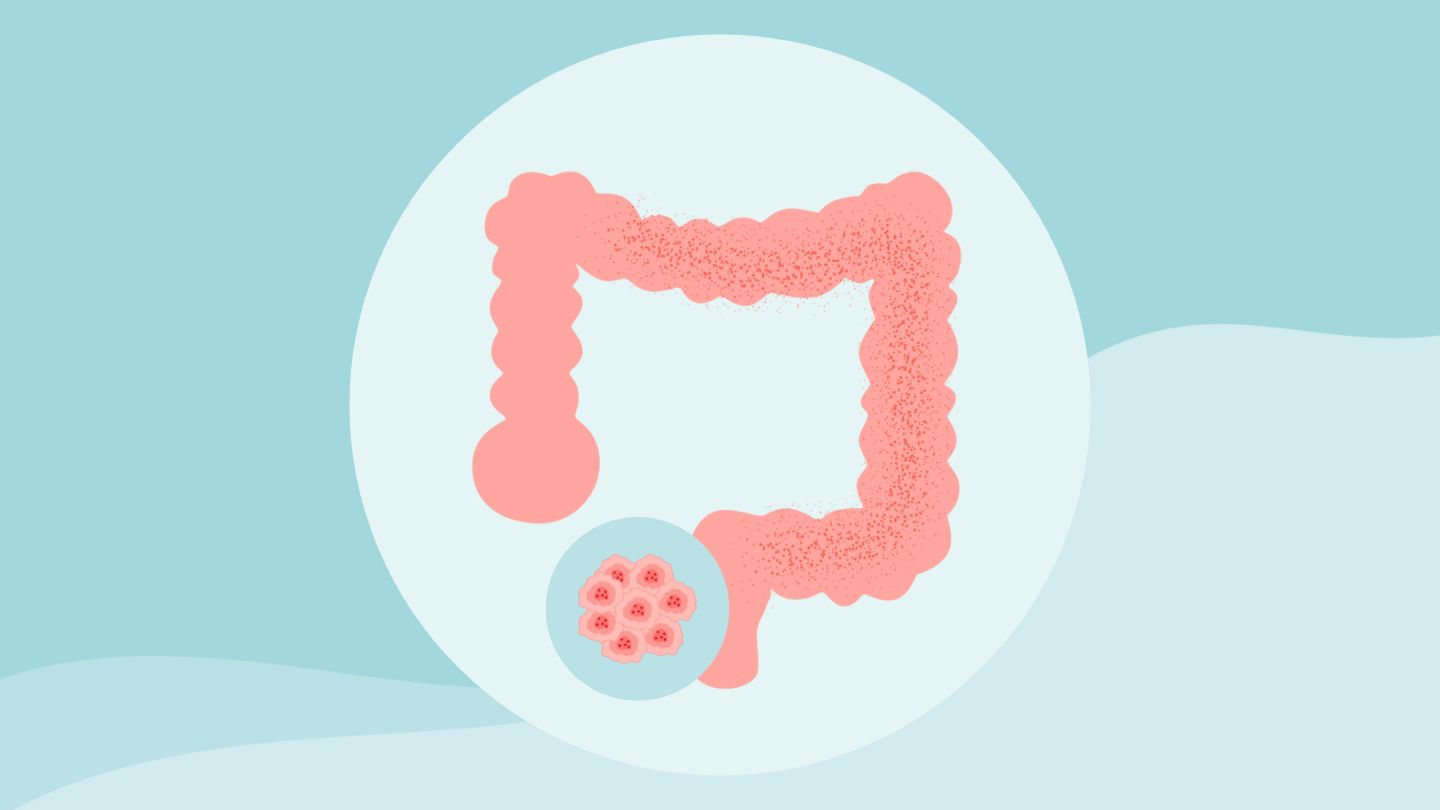
1. Myth: Only Older People Get Colon Cancer
It’s easy to see where at least part of this myth came from. The risk of getting a colon cancer diagnosis does increase as you get older (the average age at diagnosis is 66),
but rates have been rising among millennials and Gen Zers.
“We’ve seen a growing, concerning trend of what we call early-onset colorectal cancer, meaning colorectal cancer being diagnosed in patients under the age of 50,” says Jun Gong, MD, an associate professor of medicine and medical director of the Colorectal Cancer Program at Cedars-Sinai in Los Angeles.
Today, about 1 in 10 people diagnosed with this cancer is younger than 50, and that number is rising each year.
Only 10 to 20 percent of people with young-onset colon cancer also have an inherited condition like Lynch syndrome that increases colon cancer risk — most early-onset colorectal cancers are not due to genetics.
This shift in age is concerning, considering that early-onset colon cancers are often diagnosed at a more advanced stage than later-onset cancers.
2. Myth: You Can’t Prevent Colon Cancer
While no magic pill can guarantee a colon cancer-free future, timely screening goes a long way toward lowering the risk. Colon cancer is prevented when a colonoscopy finds precancerous polyps that are removed before they can turn into cancer.
Experts estimate that up to 60 percent of deaths from colon cancer could be prevented if people followed screening recommendations.
Lifestyle changes are also protective. “There is growing evidence that exercise and diet can help prevent colon cancer, too,” says Dr. Gong. Cutting back on red and processed meats, avoiding alcohol and tobacco, getting regular aerobic exercise, and staying at a healthy weight are all effective preventive strategies.
3. Myth: If I Have a Healthy Lifestyle, I Won’t Get Colon Cancer
It’s worth checking in with your parents, siblings, and children if you’re not already familiar with their cancer history. People whose close relatives have colon cancer are at a significantly higher risk of developing it themselves, especially if the relative was younger than 50 when diagnosed or if multiple first-degree relatives have received diagnoses.
Shared gene mutations, inherited syndromes, and common environmental exposures are some of the possible reasons why this cancer tends to run in families.
Whether you have one close relative with colon cancer or several, early screening is important when it’s in your family tree. Your doctor might suggest starting colonoscopy screening even earlier than current guidelines recommend.
4. Myth: If I Had Colon Cancer, I Would Have Symptoms
Colon cancer may not cause any symptoms until it has spread. In a study of colorectal cancers detected through screening, up to 70 percent of people had no symptoms, even in people with advanced disease.
The often silent nature of this cancer makes early screening important. Testing can detect colon cancer before symptoms appear.
5. Myth: Screening Starts at Age 50
This was once true. Guidelines used to recommend colorectal cancer screening for adults starting at age 50, but the advice has changed.
Most organizations, including the American Cancer Society, the U.S. Preventive Services Task Force (USPSTF), and the American College of Gastroenterology (ACG), now suggest starting screening at age 45 for people who are at average risk for colon cancer.
Screening at a younger age increases the chance that colon cancer will be found at an early stage, and reduces the risk of dying from this cancer.
6. Myth: Colonoscopy Is the Only Colon Cancer Screening Method
Colonoscopy is considered the “gold standard” screening test. That’s because it’s the most effective diagnostic method, identifying about 95 percent of colon cancers.
During this test, which is recommended every 10 years for people at average risk, the doctor uses a long, flexible tube to see inside the colon and remove any polyps before they turn into cancer.
There are other options, though, including different types of visual exams (virtual colonoscopy and sigmoidoscopy, which are rarely used) and stool- or blood-based tests. Screening frequency and effectiveness vary from test to test.
If one of these other screening tests produces a positive result, people “will inevitably need a colonoscopy because that’s the only definitive test,” says Gong.
The fecal immunochemical test and guaiac-based fecal occult blood test find hidden blood in the stool. They are both noninvasive and require a stool sample, but they’re less accurate than a colonoscopy and can’t remove any polyps that are in the colon.
Multitargeted stool DNA and RNA tests such as Cologuard and Colosense test your stool for changes in DNA or RNA that might indicate cancerous or precancerous cells. They also look for hidden blood in the stool.
There is a blood test available as well, the Shield Test, but it’s not a preferred method, as it’s less accurate than the other screening tests.
But no matter which test you choose, the most important thing is to get screened.
7. Myth: Polyps Are Always Cancer
Not true. “If you remove them, you essentially prevent the chance of the polyps becoming colon cancer,” says Gong. However, if you don’t remove polyps, they can eventually develop into cancer, he says.
8. Myth: Colon Cancer Isn’t Curable
“If you are diagnosed with stage 1, 2, or 3 colon cancer, it is considered curable with surgery,” says Gong. About 90 percent of people whose colon cancer is caught at an early stage will still be alive five years later. Even once the cancer has spread outside the colon to nearby lymph nodes or other tissues, the five-year relative survival rate is more than 70 percent. Metastatic colon cancer that has spread to distant areas of the body isn’t curable, but it is often manageable with treatments.
