

Close Menu
Your Life After RetirementYour Life After Retirement
  • Home
  • Retirement News
  • Lifestyle
  • Fitness
  • Wellness
  • Senior Health
  • Finance
  • Medicare & Insurance
Top Post

Is Your Gut Healthy? How to Tell

July 28, 2026

Coach Promo Codes for July 2026

July 28, 2026

Apartment owner’s lawsuit accuses Topa of underpaying Hurricane Beryl claim

July 28, 2026
Facebook X (Twitter) Instagram
Trending
  • Is Your Gut Healthy? How to Tell
  • Coach Promo Codes for July 2026
  • Apartment owner’s lawsuit accuses Topa of underpaying Hurricane Beryl claim
  • AI Is Slowly Killing Index Fund Diversification
  • Trump Accounts to Boost Kids’ Financial Know-How, per Bessent
  • Adductor Training May Be the Legday Solution for Strength, Mobility, and Injury Prevention
  • 15 Pre-Fall Staples Fashion People Are Buying From the Nordstrom Anniversary Sale
  • 4 Technical Tools to Read Stock Market Charts Like the Pros
Wednesday, July 29
Your Life After Retirement
  • Home
  • Retirement News
  • Lifestyle
  • Fitness
  • Wellness
  • Senior Health
  • Finance
  • Medicare & Insurance
Your Life After Retirement
Home»wellness»Fecal Transplant Helped Adults With Insomnia Sleep Better, a Small Trial Shows
wellness

Fecal Transplant Helped Adults With Insomnia Sleep Better, a Small Trial Shows

yourlifeafterretirementBy yourlifeafterretirementJuly 25, 2026
Fecal Transplant Helped Adults With Insomnia Sleep Better, a Small Trial Shows
Share
Facebook Twitter LinkedIn

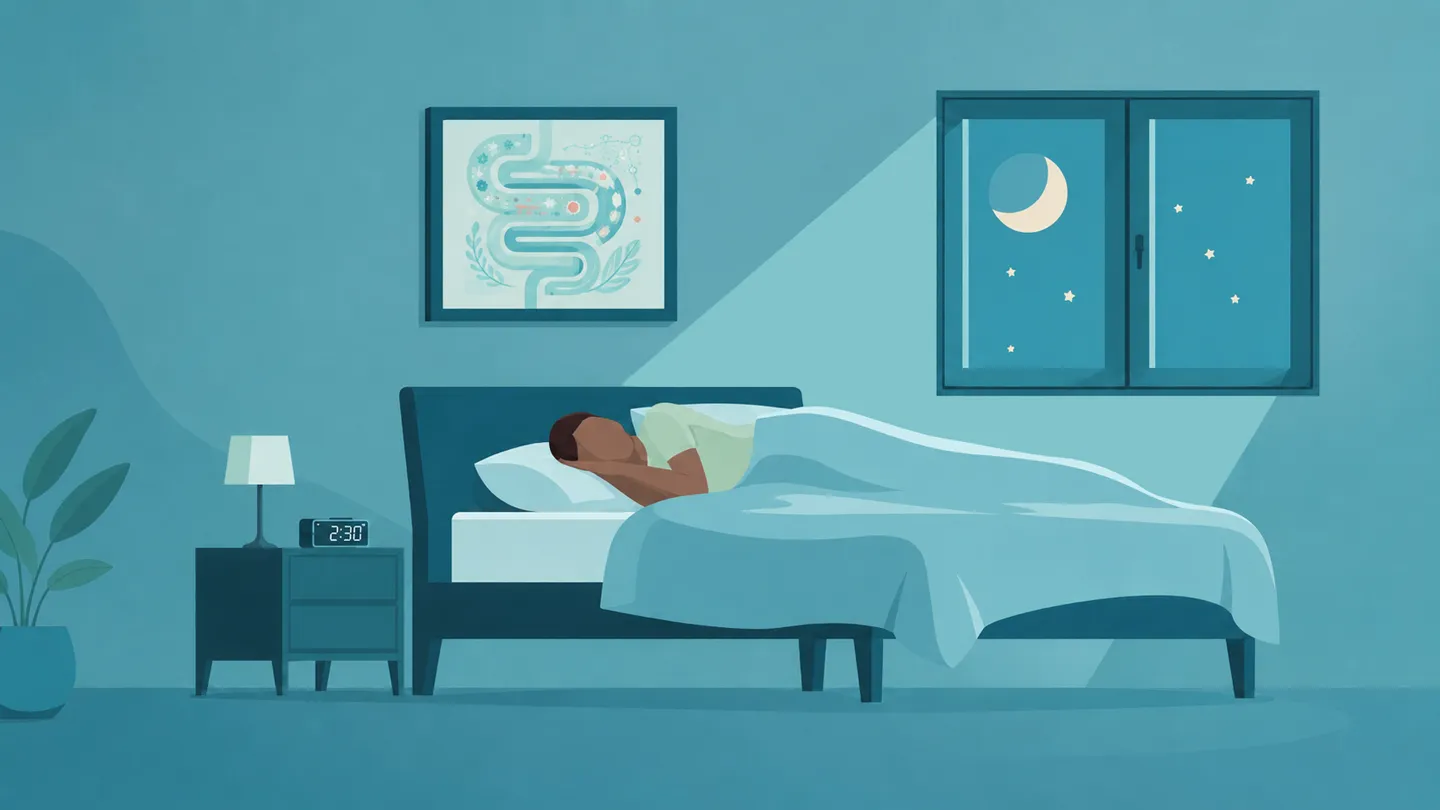
When you can’t sleep, you might try counting sheep, taking melatonin, or even doing breathing exercises. A new trial examined a more novel solution: a fecal transplant.

The research, published in the Journal of Internal Medicine, found that fecal microbiota transplantation (FMT) helped adults with chronic insomnia sleep longer and wake up less frequently after falling asleep, and these improvements lasted for up to six months.

The findings “provide clinical evidence that the gut microbiota may be a modifiable component of the biological systems regulating human sleep,” according to study authors Zhe Wang and Yanping Bao, who responded to Everyday Health by email. Wang works with the Institute of Brain Science and Brain-Inspired Research at the Shandong First Medical University in Jinan, China. Bao works with the National Institute on Drug Dependence at Peking University in Beijing.

The findings “also support the gut-brain axis as a potentially important therapeutic target in chronic insomnia,” they say.

Fecal Transplants Improved Sleep Efficiency

For the trial, researchers recruited 80 adults in China with chronic insomnia. Participants were first given a short course of antibiotics to reduce existing gut bacteria. Then, half received an FMT capsule and the other half received a placebo. The trial was randomized and double-blind, meaning neither researchers nor participants knew who received the treatment or the dummy pill.

Healthy donors with no sleep disorders or psychiatric symptoms provided the material for the capsules.

A month after receiving the FMT or placebo, participants came to a sleep lab so researchers could record:

  • How long participants slept
  • How frequently they woke up
  • Sleep efficiency, or the percentage of time someone spent asleep

For adults who received a fecal transplant capsule, sleep efficiency increased from about 79 percent before treatment to 93 percent after one month. The placebo group’s sleep efficiency showed little change, going from about 85 percent to 87 percent.

Compared with the placebo group, those who received FMT spent about 42 fewer minutes awake after falling asleep. The treatment group continued to show improvements for up to six months, according to self-reported questionnaires.

The study has some limitations: 80 participants is a modest sample size, and the results need to be replicated in larger and more diverse populations, Wang and Bao say. “We do not yet know which specific microorganisms or microbial functions produced the benefits, whether different donor preparations would have similar effects, or how long the improvements may persist.”

How Gut Health Affects Sleep

About a third of adults have at least one symptom of chronic insomnia, which refers to trouble falling or staying asleep at least three nights a week for three months or longer. The latest study suggests that fecal transplants could improve these symptoms, but more research is needed.

“We know that there is cross-talk between the gut and the brain, so it makes sense that having a healthier gut microbiome could be connected to overall brain function and to sleep,” says Erica Jansen, MPH, PhD, an assistant professor of nutritional sciences who studies the health impact of diet and sleep at the University of Michigan in Ann Arbor. Dr. Jansen was not involved with the study.

Some bacteria, including Lactobacillus and Bifidobacterium, may improve sleep through enhanced serotonin production. Sleep deprivation can also reduce beneficial bacteria. Studies suggest probiotics, prebiotics, and fecal transplants could offer therapeutic potential.

“We also know that other digestive-related processes and symptoms can impact sleep,” Jansen says. For instance, acid reflux or gastrointestinal issues near bedtime can make it hard to fall and stay asleep.

The current study was designed to evaluate the clinical efficacy of fecal transplant, not to establish the precise biological mechanism, Wang and Bao say. Further research is needed to identify the specific microorganisms and pathways that might be responsible for improved sleep.

What to Eat to Improve Sleep

Research shows balanced diets can improve sleep quality and make it easier to fall asleep, Jansen says, especially those that include:

  • Fruits (especially berries, kiwifruit, and bananas)
  • Vegetables,
  • Oatmeal
  • Fatty fish
  • Dairy

These sleep-supporting foods provide melatonin, tryptophan, antioxidants, and other essential nutrients linked to better sleep, she explains.

Other sources of these nutrients include:

  • Turkey
  • Eggs
  • Chicken
  • Peanuts
  • Tart cherries
  • Spinach
  • Sweet potatoes

“It’s better to aim for balance than to focus on any one particular food,” Jansen says.

She also recommends avoiding foods high in saturated fat, sugar, and refined carbohydrates, like desserts, as well as alcohol and caffeine.

When you eat matters, too. “Not eating heavy meals too close to bedtime and aiming for consistency in timing of eating from day-to-day is beneficial for sleep.”

Adults Fecal Helped Insomnia Shows sleep Small Transplant Trial
Share. Facebook Twitter Pinterest LinkedIn Email
Previous ArticleSanta in shorts? How Christmas in July became a weird, whimsical summer tradition | Life and style
Next Article My First $1 Million: Mental Health Professional, 45, Arkansas
yourlifeafterretirement
  • Website

Related Posts

wellness

Is Your Gut Healthy? How to Tell

July 28, 2026
wellness

Do You Have Breast Cancer Guilt? Here’s How to Cope With It

July 28, 2026
wellness

Daily Multivitamins Support Healthy Aging, According to New Research

July 28, 2026
Add A Comment
Leave A Reply Cancel Reply

Top Posts

How much should you pay for an ethically made T-shirt? | Ethical and green living

June 4, 20260 Views

Is AI Better for Patients?

June 4, 20260 Views

June Tax Deadlines and IRS Refund Status: What Taxpayers Need to Know This Month

June 4, 20260 Views

15-Minute Yoga for a Full-Body Stretch

June 4, 20260 Views
Most Popular

No One Likes Medicare Advantage

June 4, 202610 Views

Medicare GLP-1 Bridge Program to Offer Weight Loss Drugs for Just $50 per Month

June 26, 20269 Views
Trending

Alyssa McElheny’s HYROX Tips for Athletes with a Running Background

June 4, 2026

The Muscle-Building Starter Pack: Train Hard, Eat Enough, Recover Right

June 4, 2026
Latest post

Is Your Gut Healthy? How to Tell

July 28, 2026

Coach Promo Codes for July 2026

July 28, 2026
Facebook X (Twitter) Instagram YouTube LinkedIn
  • About Us
  • Contact Us
  • Privacy Policy
  • Terms and Conditions
yourlifeafterretirement All Rights Reserved 2026

Type above and press Enter to search. Press Esc to cancel.