

Close Menu
Your Life After RetirementYour Life After Retirement
  • Home
  • Retirement News
  • Lifestyle
  • Fitness
  • Wellness
  • Senior Health
  • Finance
  • Medicare & Insurance
Top Post

Is Your Gut Healthy? How to Tell

July 28, 2026

Coach Promo Codes for July 2026

July 28, 2026

Apartment owner’s lawsuit accuses Topa of underpaying Hurricane Beryl claim

July 28, 2026
Facebook X (Twitter) Instagram
Trending
  • Is Your Gut Healthy? How to Tell
  • Coach Promo Codes for July 2026
  • Apartment owner’s lawsuit accuses Topa of underpaying Hurricane Beryl claim
  • AI Is Slowly Killing Index Fund Diversification
  • Trump Accounts to Boost Kids’ Financial Know-How, per Bessent
  • Adductor Training May Be the Legday Solution for Strength, Mobility, and Injury Prevention
  • 15 Pre-Fall Staples Fashion People Are Buying From the Nordstrom Anniversary Sale
  • 4 Technical Tools to Read Stock Market Charts Like the Pros
Wednesday, July 29
Your Life After Retirement
  • Home
  • Retirement News
  • Lifestyle
  • Fitness
  • Wellness
  • Senior Health
  • Finance
  • Medicare & Insurance
Your Life After Retirement
Home»wellness»How Scleral Lenses Provide Relief for Severe Dry Eye Disease
wellness

How Scleral Lenses Provide Relief for Severe Dry Eye Disease

yourlifeafterretirementBy yourlifeafterretirementJune 6, 2026
Scleral Lenses for Managing Dry Eye Disease
Share
Facebook Twitter LinkedIn

Who Is a Candidate for Scleral Lenses?

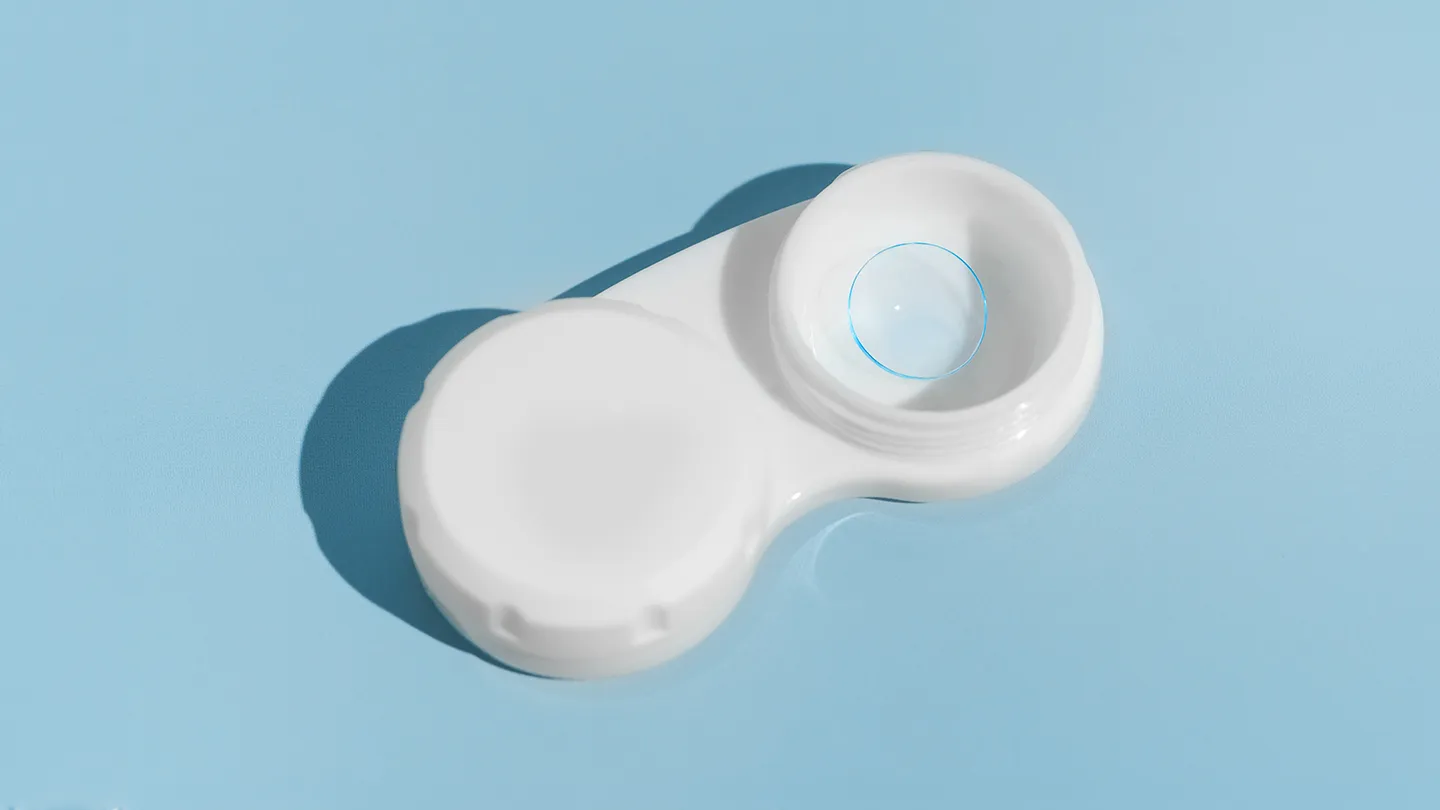
Scleral lenses are commonly used in conditions that cause an irregularly shaped cornea, such as keratoconus, or with corneal transplants and corneal scarring. But they’re also used to help people with severe dry eye disease and ocular surface disorders, Kampani says.

Typically, they’re used to treat:

  • Corneal diseases and conditions that cause cornea-shape irregularities
  • Other forms of irregularities like astigmatism
  • Refractive surgery patients, such as those who have undergone Lasik eye surgery
  • Scarring or corneal damage from injuries
  • Disorders that affect the eyelid or area surrounding the eye
  • Conditions that require applying medication to your eye surface and keeping it there
They’re also used to treat conditions that cause dryness or inflammation of the eye, such as:

Galor says scleral lenses can be especially beneficial for patients whose eyes struggle to produce or maintain adequate tears. With Stevens-Johnson syndrome, for example, where long-term recovery of the ocular surface may be limited, scleral lenses provide a continuous lubricating environment over an extremely dry and damaged eye surface, she says.

They’re also useful in cases where medication needs to be administered, she says. “The fluid reservoir beneath the lens helps protect and hydrate the cornea throughout the day, and medications can sometimes be added to the reservoir along with preservative-free saline, such as autologous serum tears in selected patients,” she says.

Scleral lenses are not limited to people who already wear contact lenses. “I have many patients who use these lenses for dry eyes who have never used contacts before,” Kanevsky says.

That said, scleral lenses are not the right fit for everyone. Because they require daily insertion, removal, and cleaning, patients need hand-eye coordination and manual dexterity. “Patients with hand tremors, severe arthritis, or young children, for example, will have a much more difficult time,” Kanevsky says.

For many patients, putting on the lenses can initially feel intimidating. Kanevsky says she remembers fitting her first scleral lens more than a decade ago on a patient who had two consecutive corneal transplants.

“The biggest challenge to this day remains overcoming the fear of placing an intimidatingly large object precariously balanced on one’s fingertips, filled with fluid, while hovering facedown over a table or sink all the while praying that it doesn’t go down the drain and it goes in without an air bubble,” Kanevsky says. “Once the patient gets over that steep learning curve, the lenses themselves are truly life changing.”

Patients must also have stable corneal and ocular tissues to tolerate the lenses, Kampani says. If you’ve had a corneal transplant that is stressed or swollen, a scleral lens may not be a good option until the area calms.

Disease Dry Eye Lenses Provide Relief Scleral Severe
Share. Facebook Twitter Pinterest LinkedIn Email
Previous ArticleRyan Rozicki Reveals His Knockout Strategy Ahead of Chris Billam-Smith Clash at Zuffa Boxing 7
Next Article IRS Raises Health Plan Thresholds, HSA Limits
yourlifeafterretirement
  • Website

Related Posts

wellness

Is Your Gut Healthy? How to Tell

July 28, 2026
wellness

Do You Have Breast Cancer Guilt? Here’s How to Cope With It

July 28, 2026
wellness

Daily Multivitamins Support Healthy Aging, According to New Research

July 28, 2026
Add A Comment
Leave A Reply Cancel Reply

Top Posts

How much should you pay for an ethically made T-shirt? | Ethical and green living

June 4, 20260 Views

Is AI Better for Patients?

June 4, 20260 Views

June Tax Deadlines and IRS Refund Status: What Taxpayers Need to Know This Month

June 4, 20260 Views

15-Minute Yoga for a Full-Body Stretch

June 4, 20260 Views
Most Popular

No One Likes Medicare Advantage

June 4, 202610 Views

Medicare GLP-1 Bridge Program to Offer Weight Loss Drugs for Just $50 per Month

June 26, 20269 Views
Trending

Alyssa McElheny’s HYROX Tips for Athletes with a Running Background

June 4, 2026

The Muscle-Building Starter Pack: Train Hard, Eat Enough, Recover Right

June 4, 2026
Latest post

Is Your Gut Healthy? How to Tell

July 28, 2026

Coach Promo Codes for July 2026

July 28, 2026
Facebook X (Twitter) Instagram YouTube LinkedIn
  • About Us
  • Contact Us
  • Privacy Policy
  • Terms and Conditions
yourlifeafterretirement All Rights Reserved 2026

Type above and press Enter to search. Press Esc to cancel.