


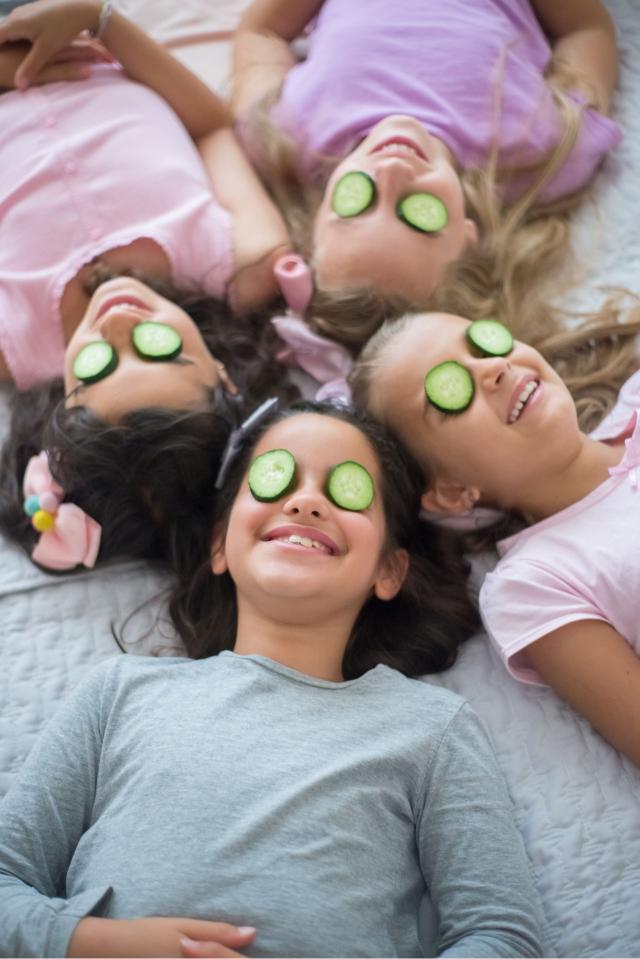
A growing fixation on flawless skin among young people is raising concern among healthcare professionals. While not a formal medical diagnosis, “cosmeticorexia” captures an unhealthy preoccupation with achieving perfect skin or an idealized appearance through cosmetic procedures, skincare products, treatments, and aesthetic interventions.
The Rise of Cosmeticorexia
Several factors are driving this trend, with social media playing a central role. The widespread use of filters and image-editing tools exposes young people to unrealistic portrayals of skin that appear flawless, ‘poreless’, and free of any natural texture or imperfections.
This has been further amplified by beauty trends such as ‘glass skin,’ which promote a luminous, wrinkle-free, seemingly perfect complexion that is biologically unattainable for most individuals.
At the same time, aggressive marketing and the rapid growth of cosmetic treatments reinforce the idea that every perceived imperfection needs correction. Platforms like TikTok and Instagram have also normalised complex, multi-step skincare routines – often promoted by influencers to audiences that may not need them.
Cosmeticorexia in kids
Adolescence is also a period when self-esteem, identity, and social acceptance are particularly important. As a result, many young people become highly sensitive to appearance-related feedback and may begin to associate clear skin with attractiveness, popularity, or success.
While skincare itself is not inherently harmful, an excessive focus on appearance can have significant psychological effects. Young people may become preoccupied with minor or perceived imperfections, leading to anxiety, reduced confidence, and social withdrawal. Constant comparison with idealised online images can reinforce feelings of inadequacy and dissatisfaction.
Dangers of cosmeticorexia
There are, however, also physical risks associated with the misuse of skincare products – especially for children and young adolescents with otherwise healthy skin. Many products promoted online contain potent active ingredients that are not necessary for younger skin. Overuse can disrupt the skin barrier, resulting in irritation, dryness, redness, increased sensitivity, eczema flares, and post-inflammatory hyperpigmentation. In some cases, excessive exfoliation can make the skin more vulnerable to environmental damage and actually worsen the appearance of the skin.
For most young people, a simple routine consisting of gentle cleansing, moisturising when needed, and daily sun protection is sufficient.
What parents should look out for
The following warning signs could suggest that adolescent skincare has moved beyond healthy self-care and become a source of anxiety or obsession:
- Spending excessive time examining the skin in mirrors
- Becoming distressed by minor blemishes
- Repeatedly asking parents to purchase products
- Following complex multi-step routines
- Avoidance of social situations due to concerns about appearance
- Repeated requests for cosmetic treatments despite having healthy skin
- Frequently comparing themselves to influencers and peers online
Rather than dismissing these concerns, parents should encourage open communication. Encouraging critical thinking around social media content and discussing how filters, editing, and marketing influence perceptions of beauty can be particularly valuable.
After all, perfection culture extends far beyond the skin. Today’s young people are increasingly exposed to messages suggesting they should optimize every aspect of their appearance, performance, and lifestyle. This can create unrealistic expectations and contribute to chronic self-criticism, anxiety, and reduced resilience.
When perfection becomes the benchmark, normal human variation is often viewed as a flaw rather than a natural part of life. As healthcare professionals, parents, and educators, we should encourage young people to prioritize health, balance, and authenticity over unattainable ideals.
Who is the author?
Dr Jaco Kotzé is a highly qualified and internationally trained plastic, reconstructive and hand surgeon based in Cape Town and Somerset West. He holds an MBChB, an MMed, a Specialist Fellowship in Plastic Surgery, and a PhD in Immunology and Metabolomics, making him one of only five plastic surgeons in South Africa to hold a doctorate.
As the founder of Skalpel and a specialist at Mediclinic Vergelegen, he has completed advanced hand surgery fellowships at both the University of Cape Town and Guy’s and St Thomas’ Hospital in London, achieving the distinction of being the first South African plastic surgeon to become European board-certified in hand surgery. His clinical expertise spans complex hand and peripheral nerve microsurgery, natural-looking facial aesthetic procedures like MACS facelifts, and pioneering scientific research into scar prevention and keloid treatments.
