

Close Menu
Your Life After RetirementYour Life After Retirement
  • Home
  • Retirement News
  • Lifestyle
  • Fitness
  • Wellness
  • Senior Health
  • Finance
  • Medicare & Insurance
Top Post

Is Your Gut Healthy? How to Tell

July 28, 2026

Coach Promo Codes for July 2026

July 28, 2026

Apartment owner’s lawsuit accuses Topa of underpaying Hurricane Beryl claim

July 28, 2026
Facebook X (Twitter) Instagram
Trending
  • Is Your Gut Healthy? How to Tell
  • Coach Promo Codes for July 2026
  • Apartment owner’s lawsuit accuses Topa of underpaying Hurricane Beryl claim
  • AI Is Slowly Killing Index Fund Diversification
  • Trump Accounts to Boost Kids’ Financial Know-How, per Bessent
  • Adductor Training May Be the Legday Solution for Strength, Mobility, and Injury Prevention
  • 15 Pre-Fall Staples Fashion People Are Buying From the Nordstrom Anniversary Sale
  • 4 Technical Tools to Read Stock Market Charts Like the Pros
Wednesday, July 29
Your Life After Retirement
  • Home
  • Retirement News
  • Lifestyle
  • Fitness
  • Wellness
  • Senior Health
  • Finance
  • Medicare & Insurance
Your Life After Retirement
Home»wellness»Oral Health Tips for Early-Stage Alzheimer’s
wellness

Oral Health Tips for Early-Stage Alzheimer’s

yourlifeafterretirementBy yourlifeafterretirementJuly 12, 2026
How to Manage Your Oral Health When Living With Early-Stage Alzheimer’s
Share
Facebook Twitter LinkedIn

In early-stage Alzheimer’s, the first oral-care challenge is often not that the person cannot brush or floss but that a familiar routine starts to become less reliable.

“A person may forget whether they already brushed, skip steps, brush less thoroughly, or have trouble sequencing the steps of oral care,” says Arsenault.

Simplify Your Setup

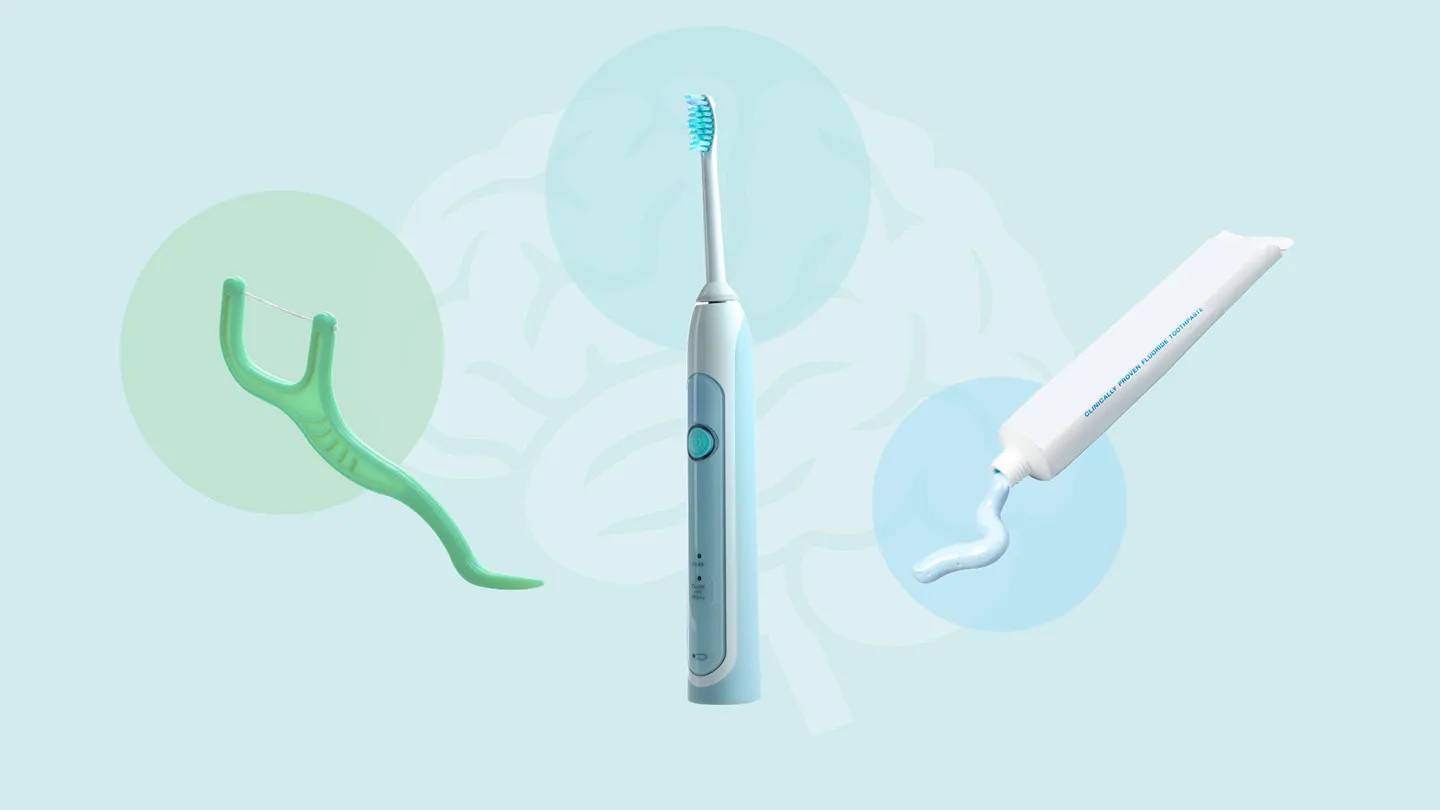
The best approach is to simplify the routine before it becomes frustrating. Arsenault recommends brushing twice daily with fluoride toothpaste and cleaning between the teeth daily with whatever tool the person can manage, such as floss, floss picks, interdental brushes, or a water flosser.

Too many products on the sink can make a familiar task harder to begin and harder to finish. Arsenault recommends keeping only the essentials visible and in one easy-to-see place: a toothbrush, fluoride toothpaste, a floss aid or interdental brush, and any dentist-recommended dry mouth or fluoride products.

“People do well with a small oral care basket and a laminated checklist with simple steps or pictures — the simpler the setup, the easier it is,” she says.

For denture wearers, the same idea applies. Clearly labeled denture containers and a simple routine for cleaning and removing dentures at night can make daily care easier to follow, says Arsenault.

Upgrade Your Tools

Adaptive tools can make a big difference, says Arsenault.

An electric toothbrush may help some people, especially if arthritis or reduced dexterity makes brushing difficult, but it is not the best choice for everyone, says Arsenault.

“Some people with cognitive impairment find the vibration or sound unpleasant. If that happens, a soft manual toothbrush, a child-size toothbrush, or a toothbrush with a larger grip may work better,” she says.

Floss picks, interdental brushes, and water flossers may be easier than traditional string floss, depending on the person’s comfort, dexterity, and ability to follow the steps, says Arsenault.

“For people at a higher risk of cavities, gum disease, or dry mouth, the dentist may also recommend more frequent cleanings, prescription-strength fluoride toothpaste, fluoride varnish, dry mouth products, or other preventive strategies,” says Arsenault.

Dry mouth is more common in older adults because of medications that reduce saliva. Saliva helps protect against cavities, swallowing difficulty, oral infections, denture discomfort, and problems speaking or eating, says Arsenault. Dry mouth can also increase the risk of root cavities (cavities that form on a tooth’s root) and oral discomfort, which is why it’s worth asking the dentist about fluoride and dry mouth products early.

Use Visual and Digital Reminders

Other common issues that people with early-stage AD may have include missed appointments, difficulty completing forms or recalling medical history, and trouble following multistep instructions, says Arsenault.

Reminders should make oral care easier to complete, not make someone feel monitored or corrected.

“Visual reminders work well in early-stage dementia — a note on the mirror, a picture-based checklist, or a phone alarm can help the person stay independent,” she says.

Digital calendar reminders can also help with remembering dental appointments.

Habit Stacking

Habit stacking — linking brushing to something that already happens every day — can make the routine feel more automatic, says Arsenault. “For example, pairing brushing with a reliable daily habit, such as after breakfast and before bedtime,” she says.

It can also help to connect oral care with something pleasant, such as listening to a favorite song, brushing before a favorite TV show, or making oral care part of a calming bedtime routine, says Arsenault.

“The goal is to preserve independence while making the routine easier and more pleasant to follow,” she says.

Alzheimers EarlyStage Health Oral Tips
Share. Facebook Twitter Pinterest LinkedIn Email
Previous ArticleThe Billionaire Tax Is A Retirement-Security Measure
Next Article A day in the life of US alligator museum owners: ‘If it’s green, it sells’ | Well actually
yourlifeafterretirement
  • Website

Related Posts

wellness

Is Your Gut Healthy? How to Tell

July 28, 2026
wellness

Do You Have Breast Cancer Guilt? Here’s How to Cope With It

July 28, 2026
wellness

Daily Multivitamins Support Healthy Aging, According to New Research

July 28, 2026
Add A Comment
Leave A Reply Cancel Reply

Top Posts

How much should you pay for an ethically made T-shirt? | Ethical and green living

June 4, 20260 Views

Is AI Better for Patients?

June 4, 20260 Views

June Tax Deadlines and IRS Refund Status: What Taxpayers Need to Know This Month

June 4, 20260 Views

15-Minute Yoga for a Full-Body Stretch

June 4, 20260 Views
Most Popular

No One Likes Medicare Advantage

June 4, 202610 Views

Medicare GLP-1 Bridge Program to Offer Weight Loss Drugs for Just $50 per Month

June 26, 20269 Views
Trending

Alyssa McElheny’s HYROX Tips for Athletes with a Running Background

June 4, 2026

The Muscle-Building Starter Pack: Train Hard, Eat Enough, Recover Right

June 4, 2026
Latest post

Is Your Gut Healthy? How to Tell

July 28, 2026

Coach Promo Codes for July 2026

July 28, 2026
Facebook X (Twitter) Instagram YouTube LinkedIn
  • About Us
  • Contact Us
  • Privacy Policy
  • Terms and Conditions
yourlifeafterretirement All Rights Reserved 2026

Type above and press Enter to search. Press Esc to cancel.