

Close Menu
Your Life After RetirementYour Life After Retirement
  • Home
  • Retirement News
  • Lifestyle
  • Fitness
  • Wellness
  • Senior Health
  • Finance
  • Medicare & Insurance
Top Post

Is Your Gut Healthy? How to Tell

July 28, 2026

Coach Promo Codes for July 2026

July 28, 2026

Apartment owner’s lawsuit accuses Topa of underpaying Hurricane Beryl claim

July 28, 2026
Facebook X (Twitter) Instagram
Trending
  • Is Your Gut Healthy? How to Tell
  • Coach Promo Codes for July 2026
  • Apartment owner’s lawsuit accuses Topa of underpaying Hurricane Beryl claim
  • AI Is Slowly Killing Index Fund Diversification
  • Trump Accounts to Boost Kids’ Financial Know-How, per Bessent
  • Adductor Training May Be the Legday Solution for Strength, Mobility, and Injury Prevention
  • 15 Pre-Fall Staples Fashion People Are Buying From the Nordstrom Anniversary Sale
  • 4 Technical Tools to Read Stock Market Charts Like the Pros
Wednesday, July 29
Your Life After Retirement
  • Home
  • Retirement News
  • Lifestyle
  • Fitness
  • Wellness
  • Senior Health
  • Finance
  • Medicare & Insurance
Your Life After Retirement
Home»wellness»Can You Eat Pasta With Type 2 Diabetes?
wellness

Can You Eat Pasta With Type 2 Diabetes?

yourlifeafterretirementBy yourlifeafterretirementJuly 4, 2026
Type 2 Diabetes
Share
Facebook Twitter LinkedIn

2. Make Vegetables the Star of Your Bowl

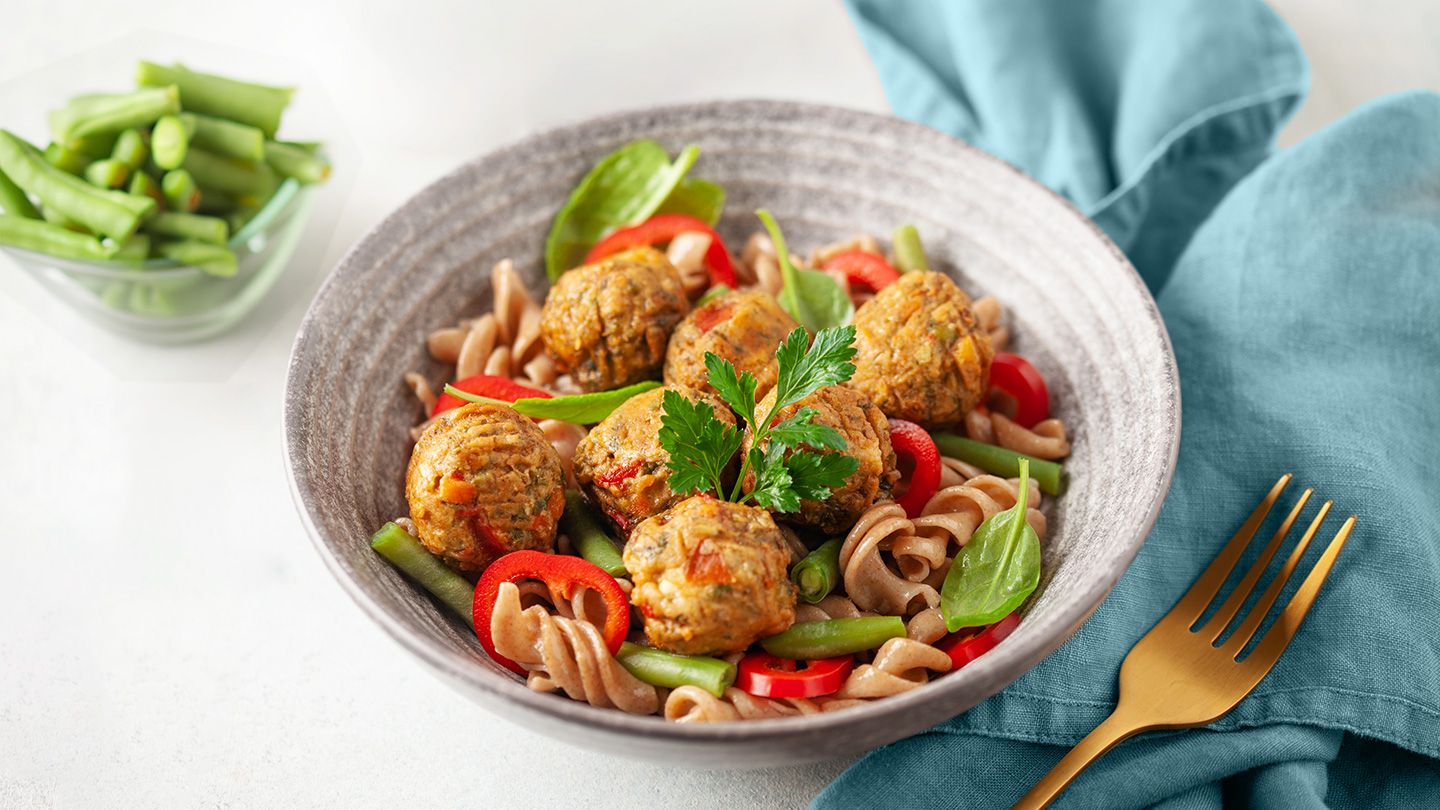
To make your pasta bowl more diabetes-friendly, add color from the produce aisle.

Centering your pasta dish around nonstarchy, naturally low-calorie vegetables can easily increase the amount of vitamins and minerals on your plate, says Smithson.

“Nonstarchy vegetables are [also] high in fiber and have few carbohydrates, which means [a lesser] effect on blood sugar,” says Anderson-Haynes. She recommends filling roughly half of your plate or bowl with options like kale, collard greens, arugula, broccoli, asparagus, cucumber, spinach, carrots, or mushrooms.

3. Swap Creamy Sauce for an Oil- or Tomato-Based Sauce

Like other “white” foods worth swapping out of your diet (white bread, white rice, and yes, white pasta), ditch white sauce when preparing a more diabetes-friendly meal.

Traditional cream-based sauces tend to have more saturated fat and sodium than other options, says Anderson-Haynes. “People with diabetes have a higher risk of heart disease, so it’s imperative to choose heart-healthy foods low in sodium and fat,” she says. Foods high in saturated fat can raise cholesterol levels in the blood, which may increase your risk of heart disease and stroke.

Meanwhile, excess sodium in your diet can increase your risk of high blood pressure, one of the major risk factors for heart disease.

Smithson suggests choosing sauces with an olive oil and fresh garlic base, both of which offer potential heart-health benefits.

Olive oil, for example, contains a type of healthy fat known as monounsaturated fat. This type of fat may help lower cholesterol, a waxy substance that’s beneficial in small amounts, when traded in for less healthy fat sources like butter.

Just remember that while olive oil provides healthy fats, it is still high in calories (124 calories per tablespoon), so practice portion control.

Use a quarter-cup of olive oil and four or five garlic cloves per pound of cooked pasta, says Smithson. Portion the sauce equally among each serving of pasta (generally one-half cup of cooked noodles).

Red pasta sauces like marinara or classic tomato are other great options, “as they are lower in overall fat and calories” than cream-based sauces, says Jana Mowrer, RDN, CDCES, a nutritionist in private practice based in Fresno, California. Just stick to a one-half- to three-quarter-cup serving size, she adds.

When buying a packaged red sauce, choose a jar that contains no added sugar and, ideally, no more than 10 grams (g) of carbohydrates and 400 milligrams (mg) of sodium per half-cup serving, says Mowrer.

4. Experiment With Vegetable Noodles

If you can’t handle wheat, or you’d like to slash the carbohydrate content of your pasta dish even more, try crafting noodles out of vegetables. If you don’t have a spiralizer or mandoline — two kitchen tools used to spiralize produce by hand — you can use a vegetable peeler. Simply place the peeled vegetable strips in boiling water for 20 seconds, and then transfer the “noodles” into a bowl of ice, says Smithson. “For ease of preparation, it’s fine to purchase spiralized vegetable noodles,” she adds.

As long as they’re not made from squash or sweet potatoes, which are starchy, spirals made from vegetables will be your lowest-carbohydrate option, says Smithson. Plus, vegetable noodles are typically lower in calories and rich in vitamins and minerals.

One cup of cooked zucchini spirals, for example, contains only 27 calories and 5 g of carbohydrates, whereas 1 cup of cooked whole-grain spaghetti noodles contains 165 calories and 35 g of carbohydrates.

That same portion of zucchini also offers 23 mg of vitamin C and 476 mg of potassium, making it an excellent source of both nutrients.

Bell peppers, broccoli, carrots, and beets make for other good low-carb vegetable noodle options.

5. Practice Portion Control

Being mindful about portion sizes is key to enjoying pasta when you’re managing type 2 diabetes. “The goal is to keep blood sugar levels from spiking too high,” says Mowrer.

Food portions, especially at restaurants, are much larger today than they were 20 years ago.

With those expanding portion sizes come more carbohydrates and calories.

On the other hand, providing smaller portion sizes can result in reduced calorie intake and lower body weight over time.

“It’s important when consuming pasta to include other food groups and practice portion control, aiming for about one-quarter [carbohydrates], one-half [vegetables], and one-quarter lean protein on your plate per meal,” says Mowrer. The Centers for Disease Control and Prevention recommends using a 9-inch dish (about the length of a business envelope) to take the guesswork out of portion control.

The exact number of carbohydrates to aim for depends on factors such as your age, gender, and activity level, as well as any medications you’re taking, says Mowrer. Generally, she suggests people with diabetes aim for 30 to 60 g of carbohydrates per meal. The American Diabetes Association recommends working with a registered dietitian nutritionist or a certified diabetes care and education specialist to determine your carbohydrate goal.

6. Feature a Lean Protein

By combining a protein source with a carb-heavy dish like pasta, you can avoid a rapid blood sugar spike (and subsequent crash), because protein is slower to digest than carbohydrates, says Smithson. Plus, adding protein makes your pasta more satisfying, which may prevent you from overloading your plate with carbohydrates, says Anderson-Haynes.

Opt for a lean protein source like skinless grilled chicken, ground turkey, or tofu. These foods tend to be lower in saturated fat and sodium than red meat or processed meats like bacon.

Diabetes Eat Pasta Type
Share. Facebook Twitter Pinterest LinkedIn Email
Previous ArticleHow Lauren Pak Trains Legs Like an Athlete, Not a Bodybuilder
Next Article This Age 60 Catch-Up Rule Can Boost a Late Retirement Push
yourlifeafterretirement
  • Website

Related Posts

wellness

Is Your Gut Healthy? How to Tell

July 28, 2026
wellness

Do You Have Breast Cancer Guilt? Here’s How to Cope With It

July 28, 2026
wellness

Daily Multivitamins Support Healthy Aging, According to New Research

July 28, 2026
Add A Comment
Leave A Reply Cancel Reply

Top Posts

How much should you pay for an ethically made T-shirt? | Ethical and green living

June 4, 20260 Views

Is AI Better for Patients?

June 4, 20260 Views

June Tax Deadlines and IRS Refund Status: What Taxpayers Need to Know This Month

June 4, 20260 Views

15-Minute Yoga for a Full-Body Stretch

June 4, 20260 Views
Most Popular

No One Likes Medicare Advantage

June 4, 202610 Views

Medicare GLP-1 Bridge Program to Offer Weight Loss Drugs for Just $50 per Month

June 26, 20269 Views
Trending

Alyssa McElheny’s HYROX Tips for Athletes with a Running Background

June 4, 2026

The Muscle-Building Starter Pack: Train Hard, Eat Enough, Recover Right

June 4, 2026
Latest post

Is Your Gut Healthy? How to Tell

July 28, 2026

Coach Promo Codes for July 2026

July 28, 2026
Facebook X (Twitter) Instagram YouTube LinkedIn
  • About Us
  • Contact Us
  • Privacy Policy
  • Terms and Conditions
yourlifeafterretirement All Rights Reserved 2026

Type above and press Enter to search. Press Esc to cancel.