

Close Menu
Your Life After RetirementYour Life After Retirement
  • Home
  • Retirement News
  • Lifestyle
  • Fitness
  • Wellness
  • Senior Health
  • Finance
  • Medicare & Insurance
Top Post

How to Plan a Trip to Brimfield Antique Flea Market

June 29, 2026

3.1TB of NAIC data dumped on to the dark web

June 29, 2026

The Medicare Penalty That Can Follow Retirees For Life

June 29, 2026
Facebook X (Twitter) Instagram
Trending
  • How to Plan a Trip to Brimfield Antique Flea Market
  • 3.1TB of NAIC data dumped on to the dark web
  • The Medicare Penalty That Can Follow Retirees For Life
  • How to Build a Strong and Muscular Back Without Barbell Rows
  • Prince Harry Shocked Royal Butler With Water Balloon Missile
  • How Ben Franklin’s Simple Rules Could Save You Money on Taxes in 2026
  • If You’re Asking What A Trust Costs, You’re Already On The Wrong Path
  • Psoriasis-Friendly Laundry Guide: Tips for Sensitive Skin
Monday, June 29
Your Life After Retirement
  • Home
  • Retirement News
  • Lifestyle
  • Fitness
  • Wellness
  • Senior Health
  • Finance
  • Medicare & Insurance
Your Life After Retirement
Home»Finance»Shaquille O’Neal’s 75/25 Money Rule: Save First, Flex Later
Finance

Shaquille O’Neal’s 75/25 Money Rule: Save First, Flex Later

yourlifeafterretirementBy yourlifeafterretirementJune 28, 2026
Shaquille O’Neal’s 75/25 Money Rule: Save First, Flex Later
Share
Facebook Twitter LinkedIn

We research all brands listed and may earn a fee from our partners. Research and financial considerations may influence how brands are displayed. Not all brands are included. Learn more.

Each time you receive a paycheck, there may be a temptation to spend some of it on things you don’t need. While it can be rewarding to make discretionary purchases from time to time, doing it too much can stunt your long-term savings goals.

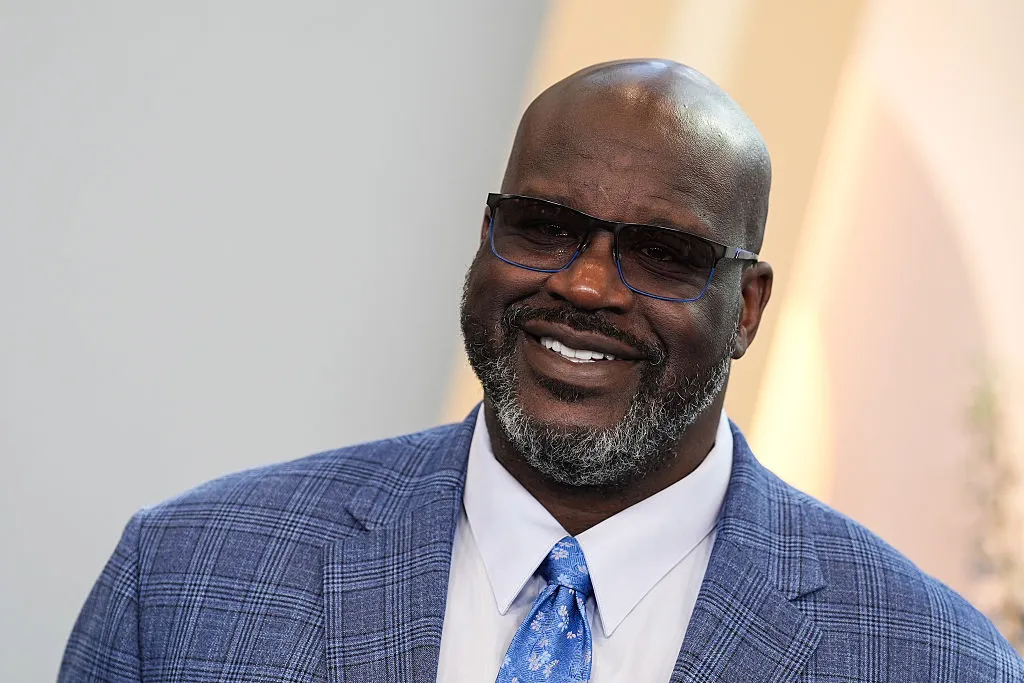
That’s why basketball legend Shaquille O’Neal uses a 75/25 money rule that lets him spend some of his paychecks while saving and investing most of it, according to an interview with The Wall Street Journal in 2019. Here’s how the strategy works, and how you can apply the basketball star’s method to your own finances.

What is Shaq’s 75/25 rule?

Shaq’s 75/25 rule follows a simple premise. Save and invest 75% of what you earn and live on the remaining 25%.

To be fair, that’s not a budget that will work for everyone. But the point of these types of rules is to set aside money that you can spend guilt-free on discretionary items. Then, the rest of your paycheck goes toward living expenses and investments.

Prioritize an emergency fund

Saving money helps guarantee that you have some cash left in the event of a financial emergency. Financial advisors typically recommend trying to save enough cash to cover your essential living expenses for three to six months, and keeping it somewhere accessible.

Once you build an emergency fund and save enough for short-term expenses and goals, you can start investing for mid- and long-term goals. While an emergency fund can help you cover immediate expenses, it’s typically not best to invest it via vehicles that can generate high returns over the long term, such as stocks.

Someday, if you retire, you won’t have a steady paycheck. While Social Security can help, it’s typically not enough money for most people to maintain their lifestyles. An investment portfolio can close the gap between Social Security income and monthly expenses while reducing your money stress in the long run.

How to adapt the 75/25 rule for a normal paycheck

Most people can’t save 75% of their paycheck. However, you can assess your financial situation and build your savings rate over time. If you don’t know how much you save from each paycheck, getting this number and reviewing your expenses can make it much easier to save more money.

You can adjust the numbers based on how close you are to your financial goals, with some people opting for the common 50/30/20 budgeting rule. That rule entails putting 50% of your paycheck toward needs, 30% toward wants, and 20% toward investments and debt repayments.

But every small bit of savings can help. If you save 10% of your paycheck right now, aim for at least an 11% savings rate next year. It’s easier to bring up this number if you are starting with a lower savings rate. Automated money transfers from your checking account to your savings and brokerage accounts ensure that the money disappears from your main account before you have the opportunity to spend it.

Putting emergency funds into a high-yield savings account lets you earn interest on your cash as it sits in the account. Some savings accounts offer 3% to 4% annual percentage yields (APYs), but these rates fluctuate over time.

Flex Money ONeals Rule Save Shaquille
Share. Facebook Twitter Pinterest LinkedIn Email
Previous ArticleHome Modifications for Myasthenia Gravis: Safety and Energy Tips
Next Article Your July 2026 Horoscope: Life-Changing Trips Lie Ahead
yourlifeafterretirement
  • Website

Related Posts

Finance

The Medicare Penalty That Can Follow Retirees For Life

June 29, 2026
Finance

How Ben Franklin’s Simple Rules Could Save You Money on Taxes in 2026

June 28, 2026
Finance

How Do I Protect My $5 Million Savings From My New Partner?

June 28, 2026
Add A Comment
Leave A Reply Cancel Reply

Top Posts

Alyssa McElheny’s HYROX Tips for Athletes with a Running Background

June 4, 20260 Views

Best Student Loan Refinance Companies of June 2026

June 4, 20260 Views

How much should you pay for an ethically made T-shirt? | Ethical and green living

June 4, 20260 Views

Is AI Better for Patients?

June 4, 20260 Views
Most Popular

No One Likes Medicare Advantage

June 4, 202610 Views

How Medicare’s initial enrollment period works

June 4, 20266 Views
Trending

Alyssa McElheny’s HYROX Tips for Athletes with a Running Background

June 4, 2026

The Muscle-Building Starter Pack: Train Hard, Eat Enough, Recover Right

June 4, 2026
Latest post

How to Plan a Trip to Brimfield Antique Flea Market

June 29, 2026

3.1TB of NAIC data dumped on to the dark web

June 29, 2026
Facebook X (Twitter) Instagram YouTube LinkedIn
  • About Us
  • Contact Us
  • Privacy Policy
  • Terms and Conditions
yourlifeafterretirement All Rights Reserved 2026

Type above and press Enter to search. Press Esc to cancel.