


Dr. Kevin Miles Stoloff is a pioneer of integrative medicine in South Africa. For decades, mainstream psychiatry has leaned on a familiar toolkit of SSRIs and therapy. However, in the case of one in three patients, they don’t respond to conventional antidepressants. Dr. Stoloff has spent his career trying to fill the gap where treatment-resistant depression, PTSD, and other complex conditions live.
Speaking with Longevity Live ahead of his appearance at the Integrative Mental Health Symposium in Cape Town and Johannesburg, Stoloff presented both the promise and the peril of psychedelic-assisted therapy. It’s a field he has watched shift from taboo to mainstream over the past decade.
Beyond SSRI
Stoloff begins with a distinction that is often lost on the general public: the difference between a psychiatrist and a psychologist. Psychiatrists are medically trained doctors who can prescribe medication. Psychologists specialize in therapy and diagnosis without a medical background. The field of integrative psychiatry introduces a third dimension. It treats the psychological, physical, and spiritual as one.
“The holistic lens matters most, once conventional treatment has failed.”
Dr. Kevin Miles Stoloff
Many patients arrive in his office after having tried multiple antidepressants at the proper doses without relief. Even when SSRI’s work, they carry a cost. Patients often feel less anxious and less sad, but also feel less of everything else. Emotions are dulled, and so is the sharpness of being alive.
Medical prescriptions of ketamine have, in contrast, produced patients who describe a wellness they had never felt before.
How Ketamine Rebuilds a Damaged Brain
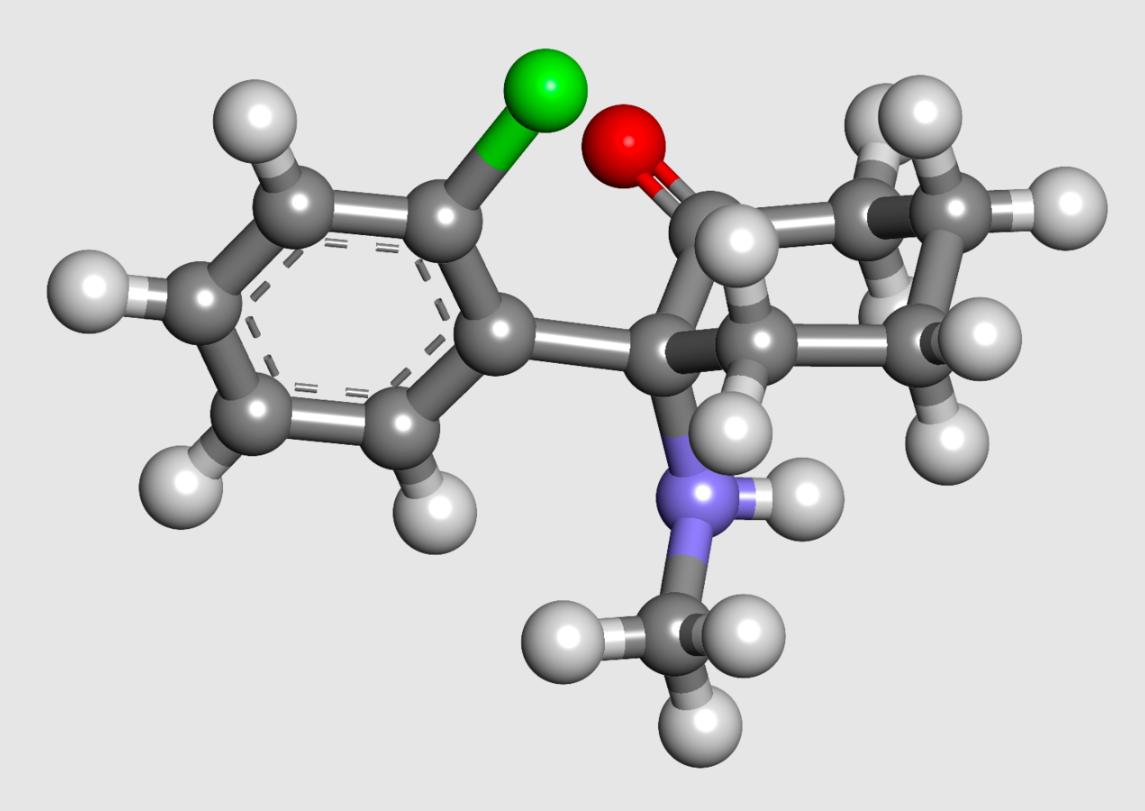
In South Africa, ketamine is the only legal psychedelic available for therapeutic use; psilocybin, LSD, mescaline, and DMT are all illegal. Dr. Stoloff is careful to separate “classic” psychedelics that act on specific serotonin receptors from ketamine. At lower doses, ketamine blocks NMDA receptors and causes a sudden increase in glutamate in other parts of the brain.
Long-term stress and depression damage the tiny connections (called synapses) between brain cells. The surge of glutamate activates growth pathways that help the brain rebuild these lost connections and form new ones. While standard daily antidepressants take weeks to change brain chemistry, ketamine can start repairing these pathways and improving mood within hours.
Dr. Stoloff acknowledges that psychedelics are not a cure-all. He explains that the outcomes of this drug use heavily depend on the mindset a person brings into the session and the environment in which it is held. Used recreationally or without the proper support, the same substances that ease PTSD in a clinical setting can produce frightening and destabilizing experiences.
The South African Problem
It’s a disparity that Dr. Stoloff finds hard to ignore. The psychedelic research pouring out of the U.S.A. and Europe rarely accounts for South Africa’s socioeconomic realities. MDMA therapy used to treat PTSD, for instance, can require multiple preparatory sessions plus six-to-eight-hour dosing sessions with two therapists present. This model simply doesn’t scale for patients in under-resourced communities. Dr. Stoloff’s interest lies in how tools that are already legally available, like ketamine, might be adapted to serve people who cannot afford private medical care.
He also questions psychiatry’s place in the broader conversation about health. Pointing out that depression overtook cardiac disease years ago as the leading global cause of lost income and productivity. However, the research funding still lags far behind conditions like cancer.
Talking Honestly and Reducing Harm
When South Africa legalized the use of cannabis, people were not warned about the real risks surrounding the drug. Mainly its links to psychosis. Dr. Stoloff worries the same could happen with psychedelics, if doctors remain too afraid of scrutiny to discuss the risks with patients.
Dr. Stoloff prioritizes harm reduction. When parents ask him about teenagers wanting to microdose on psilocybin, instead of shutting down that conversation, he argues that this pushes them to less informed and less safe methods.
“People will make their own choices regardless; the job of medicine is to help them make safer ones.”
Dr. Stoloff closes with a message of openness rather than alarm. Schools, universities, and clinics should make space for these conversations before people experiment unsupervised. The goal is not to promote psychedelics recreationally but to ensure that when they’re needed as medicine, they’re used responsibly, safely, and by people who really need them.
Watch the full interview on Instagram
